
Reviewed · MALTA
Pastizzi Making Experience in Malta
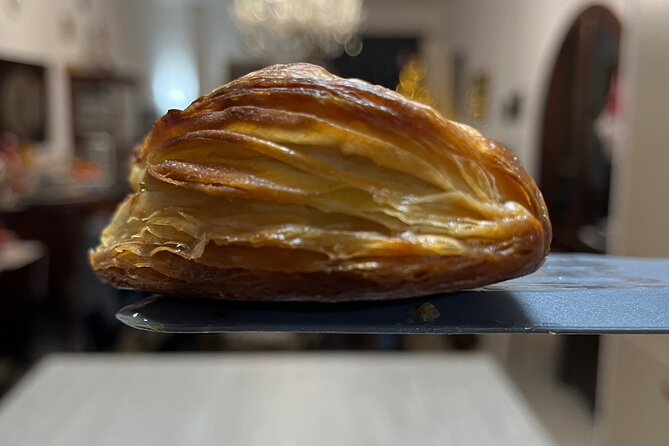
Pastizzi are Malta’s flaky little icons, and this two-hour class takes you past the bakery counter and into the hands-on work behind them. In Michela’s home kitchen in Sliema, you make the dough, learn the folding method, and bake your own batch.
I like the small group of up to eight, which gives the host room to help with tricky pastry work. I also like the focus on two classic fillings, ricotta and curried pea, rather than a watered-down cooking demonstration. The one thing to consider is the price, $52.09 per person, which is a fair splurge for a food activity but more than you would pay for simply buying pastizzi.
Key points at a glance
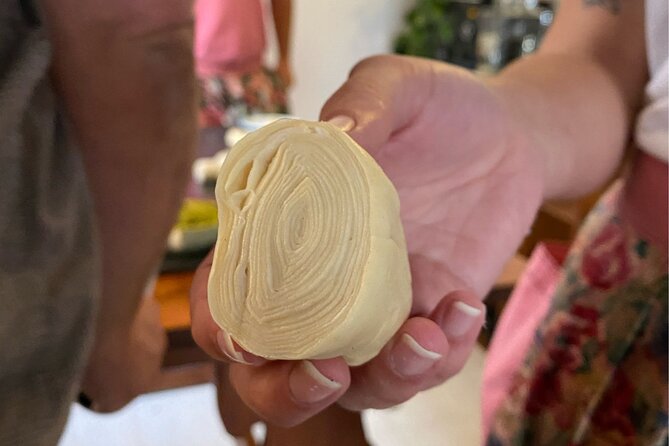
- Make the pastry by hand: You will work through the traditional dough preparation instead of only watching a demonstration.
- Try Malta’s two staple fillings: The class covers creamy ricotta and savory curried pea.
- Meet in a Sliema home kitchen: The address is 39 Triq Tal-Katidral, giving the experience a personal, local setting.
- Learn from Michela, or Miki: The host is described by both names, and her patience is a major part of the class.
- Finish with fresh pastizzi: Your reward is eating the pastries you prepared and baked during the session.
- Keep your schedule open for two hours: The activity begins and ends at the same meeting point.
Why pastizzi make a good Malta food lesson
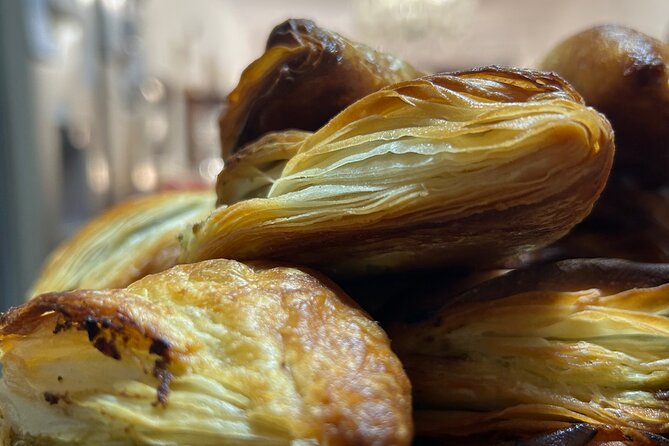
Pastizzi are among Malta’s best-known snacks, but buying one tells you very little about how they are made. You see a golden, layered pastry in a bakery case, choose ricotta or pea, and eat it while walking. The skill is easy to miss because the finished snack is small and inexpensive.
This class lets you slow down and handle the process yourself. The central lesson is simple: pastizzi are still made by hand, and the pastry depends on traditional techniques rather than a quick shortcut. That makes the experience useful even if you already know the snack well.
I especially like that the class treats pastizzi as part of Maltese tradition, not just as a recipe. You learn why the food matters while working with the dough. The result is a better connection between the snack in your hand and the food culture around it.
The class also has a clear, satisfying finish. You do not prepare dough and then leave before the best part. After the work is done, you eat the fresh pastizzi you made.
Other Malta days people book alongside this one:
- Malta: Gozo & Comino Islands, Blue Lagoon & Seacaves Tour
★ 4.5 · 15,672 reviews - Comino: Blue Lagoon, Crystal Lagoon, and Seacaves Tour
★ 4.6 · 5,673 reviews - Malta: Blue Lagoon, Beaches & Bays Trip by Catamaran
★ 4.7 · 5,496 reviews
Entering Michela’s Sliema kitchen
The meeting point is 39 Triq Tal-Katidral in Tas-Sliema, and the activity returns there at the end. The location is near public transportation, which helps if you are staying elsewhere on Malta and do not want to build a complicated transfer into your morning or afternoon.
This is a home-kitchen experience, not a large culinary school with rows of stations. The maximum group size is eight people. That number is small enough to keep the session personal, while still giving it a social feel if you are traveling alone or with one other person.
The host is referred to as Michela, Michaela, and Miki in the available information. If you need to confirm the name before arrival, check the booking details, but the references point to the same welcoming host and guide.
A working home kitchen also means the mood should be informal. You are there to learn and take part, not to receive a polished restaurant service. That is a benefit if you want contact with everyday Maltese food traditions. It may be less appealing if you prefer a formal class with printed recipes, individual workstations, or a carefully staged presentation. Those features are not stated, so I would not book this expecting them.
Learning the dough, one hand movement at a time
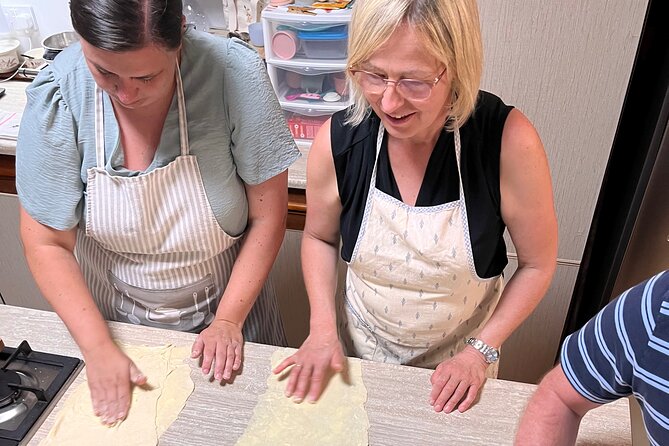
The pastry is the heart of the activity. The class begins with the preparation of your own dough, using the traditional methods that make pastizzi more than a simple filled pastry.
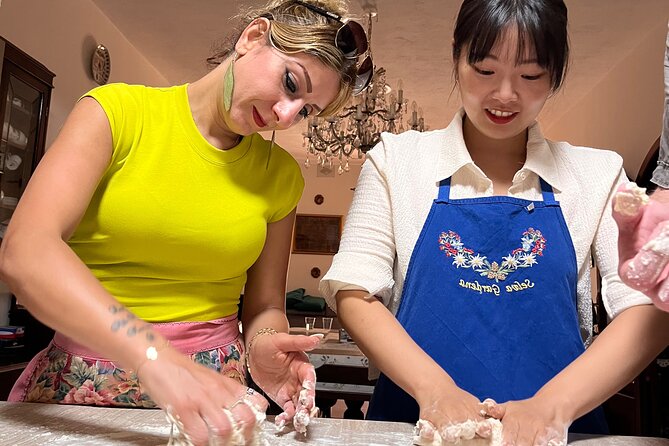
You can expect to put on an apron and copy the techniques shown by the host. The experience is designed for participation, so your hands will be busy. This matters because the shape and texture of pastizzi come from handling the dough correctly, not just from placing filling inside a ready-made shell.
Pastry work can be fiddly. It takes patience to understand how much pressure to use and how to form the shape without making a mess of the dough. That is where a group of eight or fewer helps. The host can watch what you are doing and offer individual guidance instead of leaving you to guess.
The available feedback describes Miki as patient and gracious, which is worth noting for beginners. You do not need to arrive with professional cooking skills. The class is built around learning a family recipe and practicing the method together.
Do not expect to master every part of pastizzi making in a few minutes. The value is in trying the technique, seeing what takes skill, and gaining enough confidence to repeat it at home. If your first pastry is not perfectly shaped, that is part of the lesson, not a failure.
Ricotta and curried pea, Malta’s classic choice
Once the dough work is underway, you learn about the two main fillings: ricotta and curried pea. This gives the class a useful balance.
The ricotta filling is the softer, milder option. It shows one side of pastizzi, creamy and simple. The curried-pea filling gives you a stronger savory contrast. Trying both helps you understand why pastizzi appeal to different tastes and why a bakery choice often comes down to these two familiar styles.
The class does not appear to be built around a long menu of optional fillings. That is a strength if you want a focused introduction to the traditional snack. It is a limitation if you are hoping to experiment with modern flavors or create a large meal.
I like the way the fillings fit the lesson. You are not just learning how to fold pastry. You are also learning the two combinations that define the experience. By the time you sit down to eat, you can compare the results and decide which style you prefer.
If you have a food allergy or dietary restriction, ask before booking. The information provided confirms the two fillings but does not explain substitutions, allergen controls, or special dietary arrangements.
Same islands, a completely different day out:
- Malta: Gozo, Comino, Blue & Crystal Lagoon, & Caves Cruise
★ 4.6 · 5,092 reviews - From Malta: Full-Day Gozo UTV Tour with Lunch and Boat Ride
★ 4.6 · 4,408 reviews - From Sliema: Comino, Crystal Lagoon, and Blue Lagoon Cruise
★ 4.5 · 3,792 reviews - From Sliema: Gozo, Comino and Blue Lagoon Cruise
★ 4.5 · 3,461 reviews
The fastest pastizzi maker challenge
The class includes a playful attempt to beat the world record for the fastest pastizzi maker. Treat this as a bit of fun, not as a serious contest with a verified official record.
It breaks up the careful pastry work. First, you learn the technique slowly. Then you get a chance to see how quickly you can repeat it. That contrast shows why experienced pastizzi makers make the process look easy.
The challenge also gives the group a shared moment. Cooking classes can become quiet and technical, especially when everyone is concentrating on dough. A timed task adds energy without changing the main purpose of the activity.
You should still focus on making a sound pastry rather than rushing for speed. A badly folded pastizzi will not improve because it was made quickly. The best approach is to enjoy the joke, try your hand at the challenge, and then return your attention to the finished food.
Eating what you have just baked
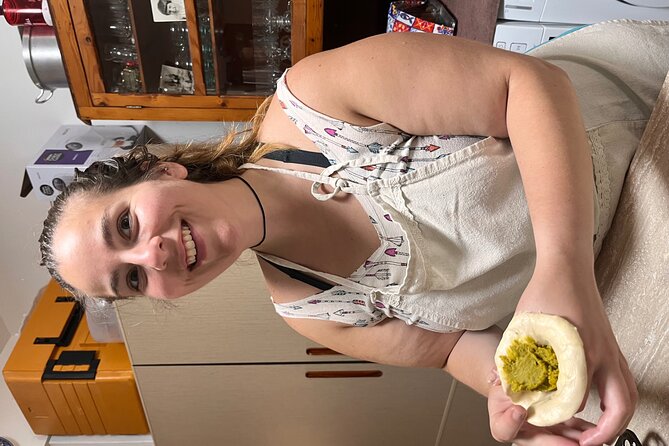
The final stage is the simplest and perhaps the most rewarding. You eat the pastizzi you have prepared after they come out of the oven.
Fresh pastry has a clear advantage over a snack that has been sitting in a display case. You have also seen every step, from dough to filling to shaping. That makes the final bite feel earned, even if your pastries are uneven.
This is not described as a full lunch or dinner, so plan your day accordingly. You will be eating pastizzi, but the activity should be treated as a food-making session rather than a complete meal. If you have a large appetite, you may want to arrange another meal later.
The ending also makes the class family-friendly in spirit. One pastizzi-making session specifically describes a family who already loved the snack and enjoyed learning how to make it. Children and adults who like hands-on activities may find the process especially appealing, though the provided details do not set a minimum age.
What $52.09 buys you
At $52.09 per person, this is not the cheapest way to taste pastizzi. You can buy the snack on its own for far less. The price needs to be judged against the time, instruction, setting, and personal help rather than against the cost of the pastry.
You are paying for about two hours with a host, a family recipe, practical instruction, dough preparation, two fillings, and the food you make at the end. The small group matters here. A class for eight people can offer more attention than a large demonstration, especially when pastry shaping needs correction.
The experience also gives you something a bakery purchase cannot: a repeatable skill. You may leave with enough understanding to try the recipe back home. One participant specifically planned to make pastizzi again in the United Kingdom, which is a good sign for anyone who wants a lasting souvenir rather than another object in a suitcase.
Still, value depends on your interests. If you only want a quick taste of Maltese food, buy a pastizzi from a local bakery and spend the remaining money elsewhere. If you enjoy cooking, local traditions, and small-group activities, the fee is easier to justify.
Timing, transport, and booking details
The duration is approximately two hours. That is long enough for a proper practical lesson without taking over an entire day of sightseeing. You can place it between other plans, but allow yourself a little breathing room around the start time so you are not arriving rushed.
The activity starts and ends at 39 Triq Tal-Katidral in Sliema. Since the meeting point is near public transportation, it should be workable for anyone moving around Malta by bus or another local connection. The information does not provide a hotel pickup service, so plan to reach the address yourself.
A mobile ticket is accepted, which is convenient if you keep bookings on your phone. Confirmation is sent within 48 hours, subject to availability. Because the class averages 105 days of advance booking, I would reserve early if your Malta dates are fixed.
The maximum group size is eight, but the activity also requires a minimum number of participants. If that minimum is not met, the session may be canceled and you will be offered another date or experience, or a full refund.
You can cancel for a full refund up to 24 hours before the local start time. Changes or cancellations inside that 24-hour window are not accepted for a refund. That rule is fairly standard, but it makes travel insurance and careful scheduling useful if your Malta plans may shift.
Who will enjoy this pastizzi class most
I would recommend this activity to anyone who likes to understand a place through its food. You get a recipe, a technique, a little local context, and a chance to eat the results. It is especially well suited to people who enjoy cooking with their hands rather than sitting through a demonstration.
Families can also get a lot from it, particularly if everyone already likes pastizzi. The timed shaping challenge adds a light competitive touch, and the final tasting gives the class a clear payoff.
Solo visitors may appreciate the small group. You are not left watching a private family activity from the sidelines. The shared kitchen setting gives you a natural way to meet other people while doing something specific.
I would be more cautious if you have limited time, do not enjoy cooking, or are mainly looking for a cheap snack. Two hours is a meaningful portion of a Malta sightseeing day, and the price makes sense only if the making matters as much as the eating.
Should you book A Pastizzi Experience?
Book it if you want more than a pastry in your hand. The best parts are the small group, the personal kitchen setting, the chance to work with dough, and the clear focus on ricotta and curried-pea fillings. Michela, also called Miki, brings a patient teaching style, and the host’s enthusiasm for Maltese food culture gives the class a personal feel.
Skip it if your goal is simply to sample pastizzi at the lowest possible cost. For everyone else, especially home cooks and families, this is a useful two-hour introduction to one of Malta’s most recognizable foods. Reserve early, arrive at the Sliema meeting point ready to work, and leave room in your day for a relaxed meal afterward.
FAQ
Where does the pastizzi-making experience begin?
It begins at 39 Triq Tal-Katidral in Tas-Sliema, Malta.
Where does the activity end?
The experience ends back at the meeting point in Sliema.
How long does the class last?
The activity lasts approximately two hours.
How much does it cost?
The listed price is $52.09 per person.
How many people can join?
The maximum group size is eight people.
Is the meeting point near public transportation?
Yes. The meeting point is near public transportation.
What will I make during the class?
You will prepare pastizzi dough by hand and learn to make pastizzi with ricotta and curried-pea fillings.
Will I eat the pastizzi I make?
Yes. The session ends with you eating your freshly baked pastizzi.
Is a mobile ticket available?
Yes. The experience includes a mobile ticket.
What is the cancellation policy?
You can cancel up to 24 hours before the local start time for a full refund. Cancellations or changes made less than 24 hours before the start time are not accepted for a refund.
Just added around Malta
- Serenity at Sea: Comino Blue Lagoon Exclusive Day Cruise★ 5.0 · 3 reviews
- Gozo Unveiled: Guided Hiking in Gozo – South East★ 5.0 · 3 reviews
- Gozo Unveiled: Guided Hiking in Gozo – The West★ 5.0 · 3 reviews
- Malta Chocolate Factory Gin and Truffle Making Experience★ 5.0 · 3 reviews
- From St. Julian’s: Jet Ski Safari to the South of Malta★ 5.0 · 3 reviews
- St. Julian’s: Comino Blue Lagoon Sunset Cruise by Speedboat★ 3.6 · 3 reviews
- Malta: Around Comino Cruise With Blue Lagoon stop★ 5.0 · 3 reviews
- Malta: 8 Hour Quad Bike Island Tour★ 4.3 · 3 reviews