
Reviewed · SCUBA DIVING
St Julians: Discover Scuba Diving Experience
The most appealing part of this St. Julian’s scuba session is the gentle start. You learn to breathe through the regulator, clear a flooded mask, use hand signals, and move with the equipment in shallow water before heading out to see Mediterranean marine life. I like the patient teaching, and I like that your instructor stays with you throughout the underwater portion.
The main thing to consider is that scuba can feel strange at first, especially if you dislike water in your mask or have trouble equalizing your ears. The one-hour underwater session may sound long for a first attempt, but you are not expected to rush. You can surface, slow down, or stop if you are not comfortable, subject to the instructor’s safety guidance.
Key points at a glance
- A true first-timer session: You learn basic equipment use, hand signals, regulator procedures, and mask clearing before exploring.
- Thirty minutes for safety: The briefing gives you time to ask questions and understand what will happen underwater.
- One hour below the surface: Your certified instructor guides your route and remains close throughout the sea portion.
- Patient named instructors: Guides including Nico, Jackson, Iona, Mike, Henry, Mark, and Craig have been praised for calm, careful teaching.
- A convenient St. Julian’s base: Meet at Divewise at the Westin Dragonara Resort, useful if you are staying in the resort area or arriving from nearby.
- Plan around your flight: You must stay out of the water for at least 12 hours after the session.
What makes this St. Julian’s scuba experience worthwhile
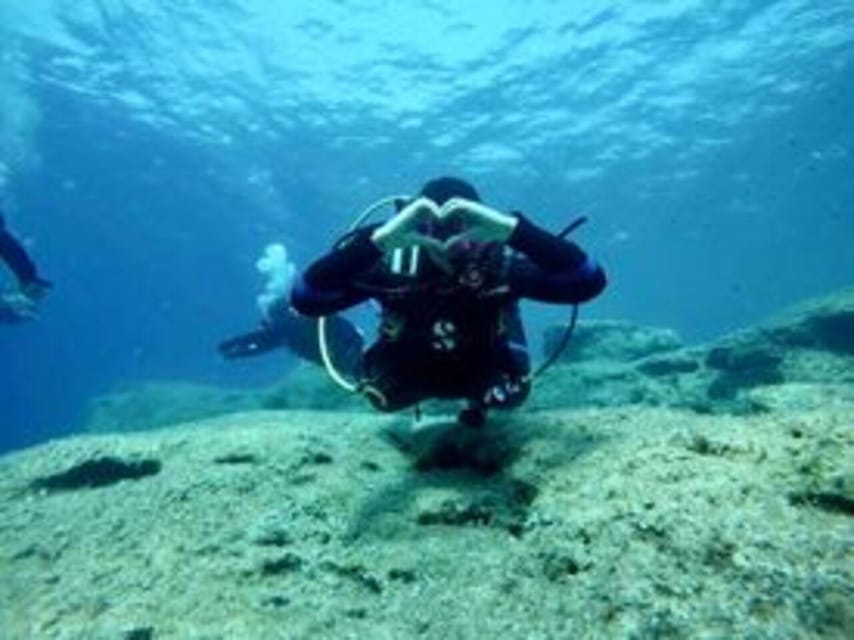
Malta is a natural place to try scuba. The island is surrounded by the Mediterranean, and the activity gives you a different view of the coast than you get from a bus, boat, or seaside promenade. Instead of simply looking out at the water, you spend time below it, moving slowly through a world of reefs, fish, and underwater rock.
This is not a full certification course. It is an introduction designed to show you how scuba feels and to teach the first practical skills. That distinction matters. You do not need to arrive with prior training, but you do need enough patience to listen, practice, and follow instructions carefully.
I like the way the session puts comfort before sightseeing. You first handle the mask, fins, wetsuit, and tank. You practice breathing underwater and learn how to respond if water enters the mask or if the regulator needs attention. Those small exercises may seem basic, but they are what help you stay calm when you are below the surface.
The other strength is close instructor support. The staff named in the feedback include Nico, Jackson, Iona, Mike, Henry, Mark, and Craig. I would not assume you will receive a particular guide, but the repeated pattern is useful: instructors take time to explain the equipment, check that you understand, and avoid pushing you beyond your comfort level.
More dive trips off St Julian S:
- Malta: First Experience Scuba Diving Lesson
★ 4.6 · 415 reviews - First scuba diving experience with instructor – Malta
★ 4.5 · 71 reviews - Malta, Scuba diving with instructor
★ 4.8 · 52 reviews
Arriving at Divewise by the Westin Dragonara Resort
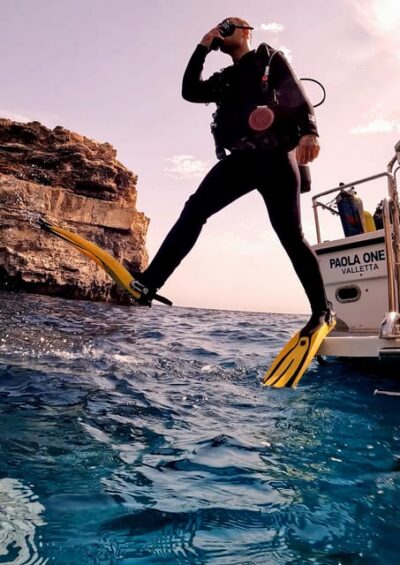
Your meeting point is Divewise at the Westin Dragonara Resort in St. Julian’s. This gives the session a clear starting place rather than leaving you to find a beach or launch point on your own.
The supplied information does not promise hotel pickup or included transport. Plan to reach Divewise independently, and allow enough time to check in, change, and organize your equipment. One family reported that the base was about a 10-minute taxi ride from the cruise port, but your journey will depend on traffic and where you are staying.
The activity lasts about two and a half hours in total. The stated schedule includes a 30-minute safety briefing and a one-hour scuba session, with the remaining time used for fitting equipment, moving to the water, preparation, and returning to the base. Do not schedule a tight airport transfer or another water activity immediately afterward.
Bring swimwear, beachwear, and drinks. Meals and drinks are not included, and personal expenses are your responsibility. Alcohol and drugs are not allowed, which is especially important for an activity that depends on clear judgment and safe breathing.
The 30-minute lesson that sets the tone
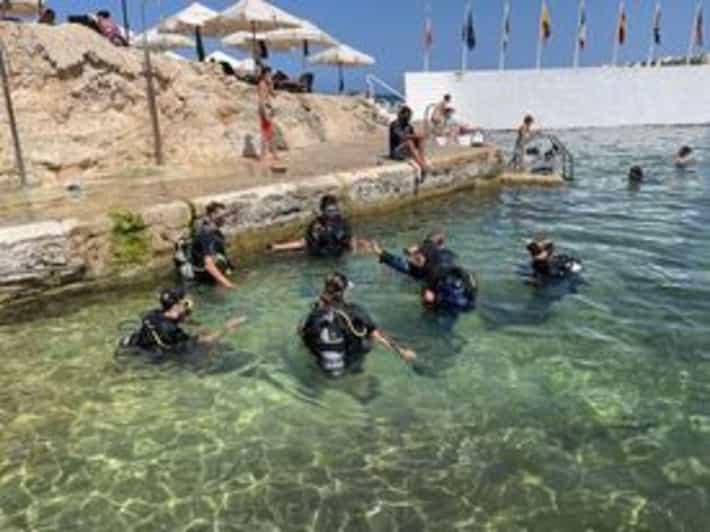
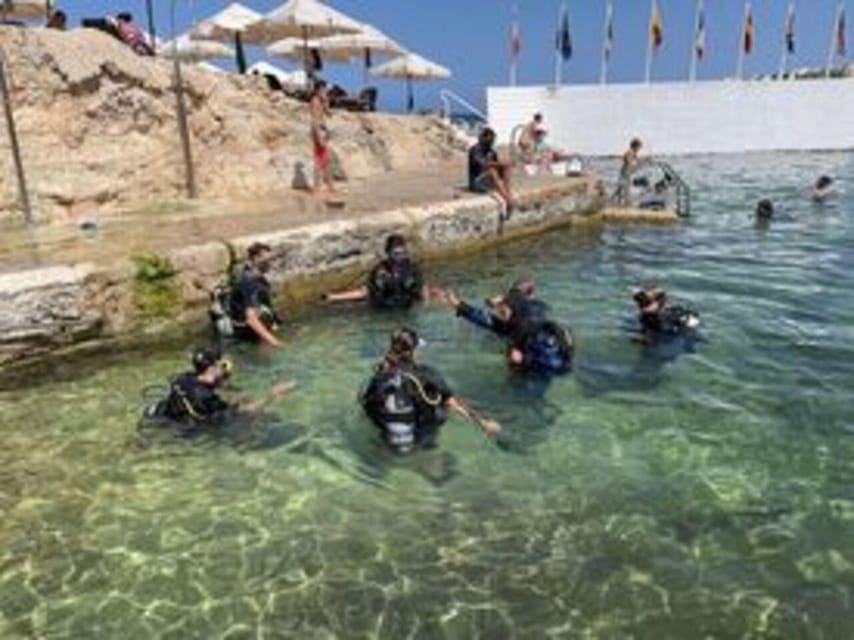
The safety briefing is the most important part of the morning. Your certified instructor explains how the equipment works, how to communicate with hand signals, and what to do in common beginner situations.
You will be introduced to the wetsuit, fins, mask, and air tank. The regulator is the mouthpiece that supplies air from the tank, and getting used to it can take a little time. The first breaths may feel unusual because you are breathing through your mouth while wearing a mask, but the shallow-water practice is designed to make that transition easier.
You also practice basic procedures, including clearing water from the mask and managing the regulator. One session included a simple practical test on these skills before the group moved farther into the activity. That is a good sign for beginners: you are not merely handed equipment and sent below the surface.
Ask questions during this stage. If you are nervous about removing and replacing the regulator, say so. If the mask feels uncomfortable, tell the instructor before leaving shallow water. The more plainly you explain your concerns, the easier it is for the instructor to adjust the pace.
The instructors’ approach is especially useful for people who have not been underwater with a tank before. One participant who had not scuba-dived for nine years was given a careful refresher rather than being expected to remember everything. Another first-timer surfaced several times while getting comfortable, and the instructor stayed patient instead of turning the session into a test of willpower.
Shallow water practice before the sea
The next stage takes place in a pool or a calm, shallow area of the sea. The exact setting can vary, but the purpose remains the same: you learn how the equipment feels before attempting the main underwater route.
You practice breathing, fin movement, buoyancy, and basic emergency responses. Buoyancy is the skill of controlling whether you rise, sink, or remain at one depth. Beginners often need time to find the right weight balance and breathing rhythm, so do not worry if your first movements feel clumsy.
This is also when your instructor can see how comfortable you are. If you cannot relax your breathing or keep your mask in place, the session can slow down. That flexibility is valuable, though it means the amount of time you spend exploring may differ from person to person.
The shallow-water portion may be the least glamorous part of the experience, but it is the part that protects the rest of it. You are learning actions that become automatic later. Once you know how to clear a mask or recover a regulator, you can pay more attention to fish, rock formations, and the light filtering through the water.
Same islands, a completely different day out:
- Malta: Paceville Pub Crawl with Drinks and Games
★ 4.7 · 910 reviews - St. Julian’s: Malta Parasailing Adventure with Photos
★ 4.5 · 548 reviews - St. Julian’s: Parasailing Flight with Photos and Videos
★ 4.9 · 343 reviews - From St. Julian’s: Comino and Blue Lagoon Trip by Speedboat
★ 4.5 · 166 reviews
One hour exploring Malta below the surface
When you are ready, you move beyond the practice area for the guided sea portion. The planned underwater session lasts about one hour. Your instructor remains alongside you, helps with navigation, and watches your comfort and safety.
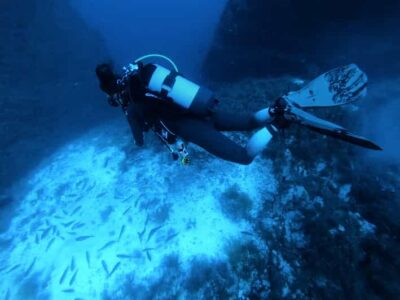
The scenery is described as Mediterranean marine life and scenic reefs. You might see fish moving around rocky areas, along with the changing colors and shapes of the seabed. Visibility, wildlife, and the exact route can vary, so book this for the chance to experience Malta beneath the surface, not for a guaranteed species list or fixed landmark.
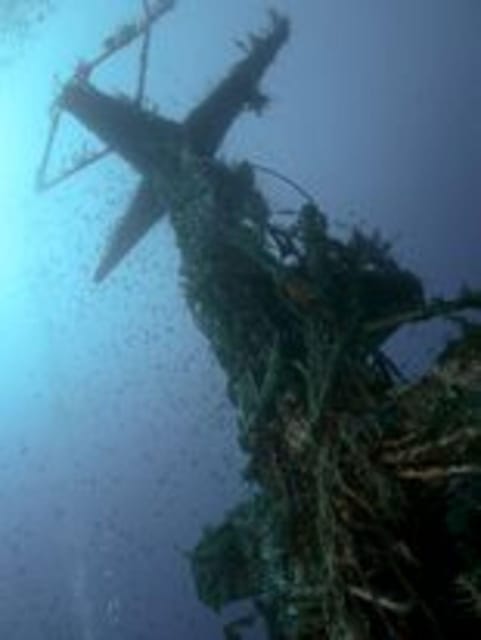
One particularly memorable outing included a World War II shipwreck off a Maltese canal, described as having been sunk by an Italian bomber. That is an impressive possibility, but it should not be treated as a guaranteed feature of every session. Ask Divewise about the route and current conditions if a wreck is a major reason for booking.
Underwater, simple communication matters. Your instructor uses hand signals rather than spoken directions, so pay attention during the briefing. Stay close, move at the instructor’s pace, and avoid trying to swim ahead for a better look. The goal is not distance or depth. The goal is staying calm and aware while enjoying the setting.
You may need to surface during the session. That is not a failure. Ear pressure, mask discomfort, and nerves are common reasons for taking a pause. The strongest practical advice here is to tell your guide exactly what you feel instead of trying to hide it.
How much personal attention can you expect?
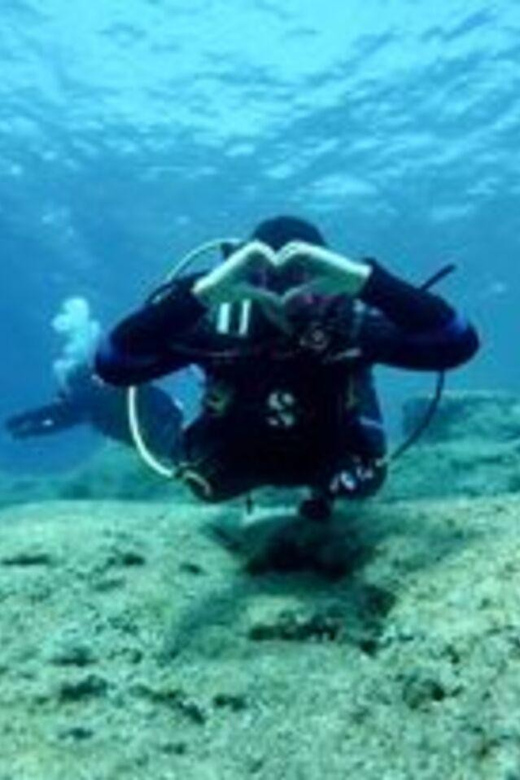
The level of attention can vary with the group, but the teaching style described by the supplied feedback is a major reason this experience works for beginners. Some sessions have been one-to-one, giving the instructor time to focus on a single person’s breathing, buoyancy, and confidence.
Other sessions included families and more than one instructor. A parent whose two teenage sons took part felt reassured by the detailed explanations and the presence of a second supportive instructor. That does not guarantee a particular group size, but it suggests the operation is used to helping people with different comfort levels.
The named guides are worth noting because the praise is specific. Jackson was described as thorough with a returning participant who felt nervous after years away. Nico was praised for patience while first-timers worked out weights and buoyancy. Mike helped a hesitant beginner surface when needed and even assisted with logging the session in the PADI app afterward.
You cannot book a particular instructor based on the information provided, but you can tell the staff if you are anxious, rusty, or completely new. This is not the time to act brave. A calm, honest briefing gives you the best chance of enjoying the sea portion.
The price and what you receive for $106
At $106 per person, this is not a cheap beach add-on, but it includes the parts that make a first scuba experience practical: orientation, safety teaching, equipment, shallow-water practice, and a guided underwater exploration with a certified instructor.
The value depends on what you want. If you only want to swim near the surface for a few minutes, the price may feel high. If you want proper instruction, full equipment, and close support while trying scuba for the first time, the package is more useful than an informal boat or snorkel outing.
You are also paying for preparation. The 30-minute briefing and skill practice reduce the chance that your entire session will be spent feeling lost. The equipment includes the wetsuit, fins, mask, and tank, so you do not need to assemble a personal kit for a one-time introduction.
Meals, drinks, and personal expenses are not included. Bring your own water and plan food separately. The activity is also flexible from a booking standpoint: you can reserve now and pay later, and cancellation is free up to 24 hours before the start time for a full refund.
Health rules you should take seriously
Scuba requires good physical and mental health. Before booking, read the medical questionnaire carefully. If you answer yes to any of the listed medical questions, you may need a doctor’s sign-off before taking part.
The screening covers issues involving the lungs, breathing, heart, blood, eyes, ears, sinuses, recent surgery, loss of consciousness, seizures, stroke, significant head injury, persistent neurological problems, psychological treatment, panic attacks, and addiction to drugs or alcohol.
The experience is not suitable for people with back problems, heart problems, respiratory issues, epilepsy, a cold, high blood pressure, recent surgery, or other pre-existing medical conditions listed in the booking information. If you feel ill, do not go into the water.
Children under 10 cannot take part. Anyone under 18 needs permission from a parent to enroll. These rules are not minor booking formalities. They are part of deciding if an underwater activity is appropriate for you.
You also need at least 12 hours out of the water before flying. If you are taking this session near the end of a Malta trip, check your departure time first. A late afternoon session followed by an early flight may not work.
Who will enjoy this most?
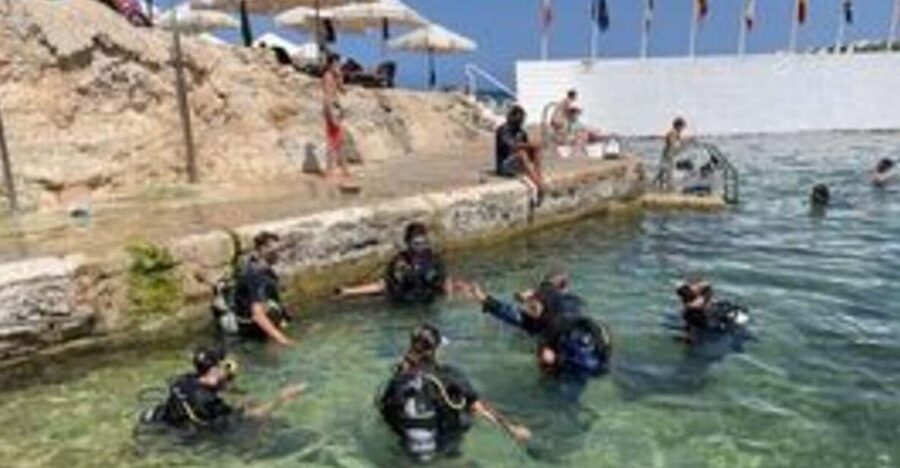
This suits a first-timer who wants a guided, structured introduction rather than an independent attempt. It is also a good fit for someone who tried scuba years ago and wants a cautious refresher before taking formal training.
Families with teenagers may find it appealing, provided everyone meets the age and health requirements. The multilingual instructor team can teach in English, Spanish, French, Italian, Afrikaans, and Polish, which may help you feel more at ease during technical instructions.
It is less suitable if you dislike close supervision, have no patience for equipment practice, or want to spend the whole time sightseeing. The first part involves learning procedures, and the sea portion depends on your comfort and ability to follow directions.
If you are considering an open-water certification, this session can help you decide if scuba suits you. It does not replace certification, but it lets you test the basic sensations before committing to a longer course.
Small practical details that make a difference
Wear swimwear that works comfortably under a wetsuit. Bring beachwear for changing and a drink for before or after the session. Keep personal items simple, since the supplied information does not promise storage arrangements or included refreshments.
Arrive ready to listen. You will get more from the experience if you remember the hand signals and practice calmly rather than treating the briefing as something to rush through.
Tell your instructor if you are nervous, have not used scuba equipment before, or need to surface. The session is designed for beginners, and the best outcomes come from moving at a sensible pace.
If you hope to see a particular wreck or site, ask about the planned route before booking. The underwater setting can change, and the official description promises Mediterranean marine life and reefs rather than one guaranteed wreck or animal sighting.
Should you book this St. Julian’s scuba session?
Book it if you want a well-supported first taste of scuba in Malta, especially if patient instruction matters more to you than maximum depth or a guaranteed landmark. The combination of equipment, shallow-water practice, and a full guided hour below the surface gives you a fair chance to decide if you want further training.
I would be more cautious if you have a medical condition, a cold, recent surgery, or a flight within 12 hours. Read the health questions before paying, and speak to a doctor if the guidance requires it.
For a healthy beginner with enough time in the schedule, $106 is reasonable for a properly supervised introduction. Go in expecting instruction first and sightseeing second. That is the right way to enjoy this experience.
FAQ
Where does the scuba experience start?
You meet at Divewise, located at the Westin Dragonara Resort in St. Julian’s, Malta.
How long does the activity last?
The experience lasts about 2.5 hours. The schedule includes a 30-minute safety briefing and about one hour of scuba exploration, with additional time for equipment and preparation.
Is this suitable for someone who has never scuba-dived before?
Yes. The session is beginner-friendly and includes an orientation, equipment instruction, shallow-water practice, and guided underwater exploration with a certified instructor.
What equipment is included?
Scuba equipment is included, along with the wetsuit, fins, mask, and tank used during the session.
What should I bring?
Bring swimwear, beachwear, and drinks. Meals, drinks, and personal expenses are not included.
Can I fly shortly after the activity?
No. You must remain out of the water for at least 12 hours after scuba. Anyone under 18 also needs parent permission, and children under 10 cannot take part.
Just added around St Julian S
- From St. Julian’s: Jet Ski Safari to the South of Malta★ 5.0 · 3 reviews
- St. Julian’s: Comino Blue Lagoon Sunset Cruise by Speedboat★ 3.6 · 3 reviews
- Valletta Street Food & History Tour With Private Transfers★ 4.5 · 15 reviews
- From St. Julian’s: Comino and Blue Lagoon Trip by Powerboat★ 4.5 · 31 reviews
- Malta: Jet Ski Rental★ 4.0 · 37 reviews
- St Julian’s: Comino Blue Lagoon Half Day★ 4.4 · 52 reviews
- St. Julian’s: Parasailing in Malta with Photos and Videos★ 4.9 · 62 reviews
- From St. Julian’s: Gozo, Comino, Blue Lagoon by Powerboat★ 4.5 · 122 reviews
Scuba Diving, compared.
First scuba diving experience with instructor – Malta
Read our review →
Browse the lists this tour appears in