
Reviewed · WALKING TOURS
Valletta World War II Private Walking Tour
Valletta’s wartime story is written into its streets. You’ll see the ruined Royal Opera House, look across the Grand Harbour from the Siege Bell Memorial, and hear how residents survived years of bombing, hunger, and fear during the Siege of Malta. The setting makes the history immediate, not just a list of dates inside a museum.
I like the private format, which gives you room to ask questions and set the pace. I also like that the guide visits the National War Museum with you instead of simply pointing you toward the entrance. The main drawback is simple: this is a serious three-hour walk over hard stone, with hills and stairs, and the museum ticket is not included.
Key points to know before you book
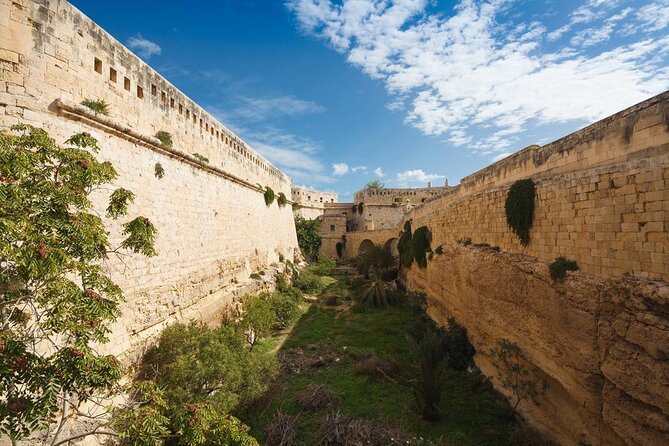
- The tour follows Valletta’s WWII story on foot, from central streets and harbour views to Fort St. Elmo.
- You’ll hear about the Illustrious Blitz and San Marija Convoy, two key episodes in Malta’s wartime ordeal.
- The ruined Royal Opera House and Siege Bell Memorial provide some of the tour’s clearest physical reminders of the bombing.
- Private guiding makes a difference, especially if you want family stories, dates, military details, or time for questions.
- The National War Museum visit lasts about an hour, but admission is an extra cost.
- Comfortable shoes, water, sun protection, and moderate fitness are essential for the walk.
Why Valletta’s WWII story matters
Malta entered the war in 1940 after Mussolini declared war. Its position in the central Mediterranean made the island important to British forces and to Axis plans for North Africa. Malta could help watch and disrupt supply routes, but that strategic value made it a target.
From 1940 through 1943, the island endured repeated attacks. The most intense period was the Siege of Malta, usually dated from 1940 to 1942. Axis forces tried to weaken the island through bombing and by cutting off supplies. Valletta and the surrounding harbour area suffered heavily.
I like this tour because it explains the war through ordinary life as well as military events. You hear about aircraft carriers and convoys, but also about people sheltering underground, finding food, and trying to keep daily routines alive. That balance helps you understand why Malta’s wartime story is about civilians as much as soldiers.
More walking tours in Malta:
- The Original Valletta Walking Tour
★ 5.0 · 2,719 reviews - Valletta: 3-Hour Walking Tour
★ 4.7 · 1,605 reviews - Valletta: Guided City Walking Tour
★ 4.8 · 1,256 reviews
Starting near Valletta’s gates
The walk begins in central Valletta. The supplied details identify Victoria Gate as the meeting point, while the itinerary also refers to Valletta City Gate. Since those are different parts of the city, check your confirmation carefully and make sure you know the exact meeting place before setting off.
This is especially important if you arrive by cruise ship or are unfamiliar with Valletta’s layout. One booking party walked easily from the cruise ship area to the meeting point, but a separate booking went wrong when the participant waited in the wrong city. Valletta is not Mdina, and the two locations have very different surroundings.
Your guide will meet you and begin the story in the city streets. The walk then works outward toward the harbour and Fort St. Elmo. You should expect most of the three hours to be outside, so the weather matters. Malta’s sun can be strong, and you will want water, sunscreen, and a hat.
Streets, memorials, and the ruined Opera House
Valletta’s honey-coloured stone gives the walk a strong sense of place. The city is compact, but the route is not simply a parade of famous buildings. The guide uses streets, views, memorials, and damaged structures to show how the wartime city functioned.
The ruined Royal Opera House is one of the most striking stops. A German bombing raid in 1942 destroyed the building, leaving its shell as a visible reminder of the destruction. It is not a polished museum display. You see the damage in the middle of the modern city, where people still pass through their daily lives.
The tour also includes commemorative statues and memorials. These stops help connect Malta’s military role with the human cost of the siege. Expect explanation rather than a long series of formal entrances. The value comes from hearing what happened at each place and how the event affected Valletta.
One point is worth keeping in mind: a downtown walk cannot offer an endless line of major WWII buildings. Some participants found the central sites limited compared with the harbour views. That is not a flaw so much as a feature of the subject. Much of Malta’s wartime story is told through altered buildings, viewpoints, memorials, and the guide’s explanation.
The Siege Bell above the Grand Harbour
The Siege Bell Memorial overlooks the Grand Harbour and offers one of the tour’s most powerful settings. From here, the harbour’s strategic importance becomes clear. It was not just a scenic waterfront. It was the centre of Malta’s naval and supply activity, and it was closely tied to the island’s survival.
Your guide uses this viewpoint to explain the pressure placed on Malta during the siege. The island needed food, fuel, ammunition, and other supplies, but bringing them in meant sending convoys through dangerous waters and airspace.
This is also a good place to pause and take in the view. The guide-led format is helpful here because you can ask how the harbour’s forts, ships, and approaches fitted together. The experience is strongest when you take time to connect the physical view with the story being told.
A few more Malta half-days to weigh up
- Private Boat Tour: Crystal Lagoon, Blue Lagoon, Comino and Gozo
★ 5.0 · 1,077 reviews - Gozo Full-Day Jeep Tour with Private Boat to Gozo & return
★ 4.5 · 1,048 reviews - Private Day Sailing Boat Charter
★ 5.0 · 662 reviews - Gozo Full-Day Quad Tour with Private Boat to Gozo & return
★ 4.5 · 627 reviews
Tunnels, shelters, and Victory Kitchens
The war was not fought only from forts and ships. Valletta’s underground spaces became essential shelters for residents trying to survive the bombing. The tour explains the tunnels beneath the city and how they gave people protection during air raids.
You should not expect this walking tour to replace a dedicated visit to every underground site. Its purpose is to show how the shelter system fitted into the city and to explain what life below street level meant for the population.
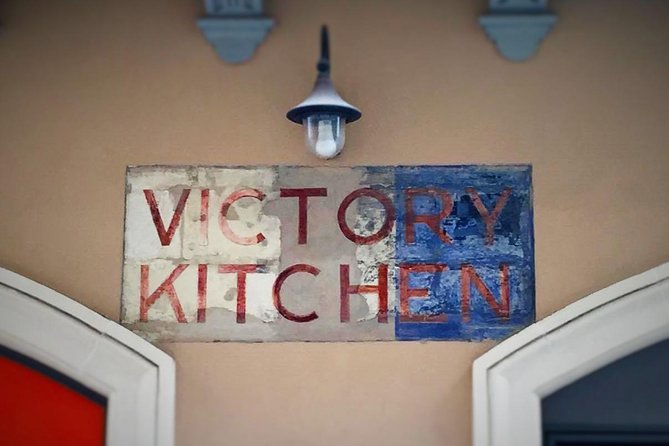
The discussion of the Victory Kitchens is another useful part of the walk. These community kitchens helped feed people when supplies were scarce. That detail changes the shape of the story. Instead of hearing only about aircraft, warships, and bombardments, you learn how local services helped people endure the siege.
I find these everyday details especially valuable for families and for anyone with a personal connection to Malta. The tour can also help you understand why Malta received the George Cross for the courage of its population in 1942.
The Illustrious Blitz and Malta’s naval role
The guide covers the Illustrious Blitz, when Axis forces repeatedly targeted HMS Illustrious in Valletta in 1941. The attacks show why the harbour was so important and why Malta faced such intense pressure.
The tour also discusses the Battle of Grand Harbour and the San Marija Convoy. These events place the local story within the wider Mediterranean war. Malta was not an isolated island simply waiting out the conflict. Its position affected operations connected with North Africa, supply lines, naval power, and British control of the region.
The best guides add context without losing the main thread. Matthew is repeatedly praised for his passion for Malta and his command of WWII dates and events. Mario brings a different strength: he is a retired Maltese history teacher and can add family-based accounts of wartime life. Guide assignments may vary, but both names appear in the experience’s feedback, so you may want to ask who is scheduled when booking.
An hour inside Fort St. Elmo’s National War Museum
The tour ends at Fort St. Elmo, home of the National War Museum. The guided museum visit takes about one hour, and admission is paid separately.
This is more than a final indoor stop. The museum gives you objects and displays that help pull together the outdoor story. You can see exhibits and audio-visual material about Malta’s wartime ordeal, including the struggle to bring supplies to the island.
The 1942 George Cross is one of the key items. It was awarded to the people of Malta for their courage, and seeing the medal gives a concrete form to an honour often mentioned in general histories.
I particularly like the fact that the guide is expected to accompany you through the museum. A museum can be difficult to judge when you have only limited time, and a guide can point out the exhibits most relevant to the Siege of Malta. One booking party found the shared museum visit made the experience much stronger than being sent inside alone.
Allow extra time if you want to stay after the formal tour. The scheduled experience finishes at Fort St. Elmo and the National War Museum, but people with a strong interest in WWII may also want to visit the Lascaris War Rooms and the war headquarters tunnels separately. Those sites are not included in this tour.
Pace, walking effort, and what to wear
This is an active city walk. You need a moderate level of fitness, and the route includes hard stone, uphill sections, and stairs. Comfortable walking shoes are more important than stylish footwear here.
The walking pace can be gentle. Matthew has been praised for allowing breaks to discuss locations and for keeping the group engaged without rushing. A private tour also gives you a better chance of asking for a short pause, though the total time remains about three hours.
Bring:
- Water
- Sun protection
- Comfortable shoes
- A hat or other protection from the sun
- Questions about particular battles, family connections, or Maltese history
The tour is not described as wheelchair accessible, and the stated fitness requirement should be taken seriously. If stairs, slopes, or uneven stone are difficult for you, ask the operator about the route before paying.
What a private group adds
The price is $373.48 for a group of up to four people. For four people, that works out to roughly $93 per person before the museum admission. For two people, the individual cost is much higher, but you are paying for a private guide rather than joining a large group.
That format suits people who want detail. You can ask about Malta’s role in North Africa, the Royal Navy, family memories, Maltese pronunciations, or the Knights of Malta, and the guide can adjust the conversation. Mario has also helped people with suggestions for other museums and activities during a longer stay.
The value is less obvious if you only want a quick introduction to Valletta. You will spend three hours outside and cover a focused subject. If your main interests are baroque churches, the Knights, or general city sightseeing, another walking tour may serve you better.
The museum ticket is an extra cost, so include it in your budget. Hotel pickup and drop-off are not included. The tour is conducted in English and uses a mobile ticket.
Who will get the most from this tour
I would choose this tour for:
- WWII enthusiasts who want more than a general Valletta overview
- People with family links to Malta or the Royal Navy
- Cruise passengers with an eight-hour stop who want a focused private outing
- Couples or families who prefer asking questions at their own pace
- History-minded visitors who want both outdoor sites and a museum visit
- Visitors who want a useful introduction before visiting other wartime sites
I would think twice if you dislike walking in the sun, have trouble with stairs, or want a tour packed with major interiors. The route is strongest as a guided history lesson in the city itself.
Is the Valletta WWII Private Walking Tour worth booking?
For the right person, yes. The private format, strong guide involvement, and clear focus on Malta’s wartime experience make the price easier to justify, especially for a group of four. The guides Matthew and Mario are praised for personal attention, storytelling, and serious command of the subject.
Book it if you want to understand how bombing, supply shortages, underground shelters, naval battles, and community kitchens shaped Valletta. Skip it if you are looking for a broad sightseeing tour or a low-cost way to see the city.
Wear good shoes, confirm the exact meeting point, budget for the museum ticket, and leave room in your day for Fort St. Elmo. If you do those things, this tour can give you a far clearer sense of what Malta endured and why its survival mattered.
FAQ
How long is the Valletta World War II Private Walking Tour?
The tour lasts approximately three hours.
Where does the tour start?
The supplied meeting information lists Victoria Gate in central Valletta. The itinerary also refers to Valletta City Gate, so check your booking confirmation for the exact meeting point.
Where does the tour finish?
The tour finishes at Fort St. Elmo and the National War Museum on Mediterranean Street in Valletta.
Is the National War Museum included in the price?
No. Admission to the National War Museum is not included and must be paid separately.
Does the guide visit the National War Museum with the group?
Yes. The tour includes a guided visit to the museum, focusing on important exhibits and Malta’s WWII experience.
Is hotel pickup included?
No. Hotel pickup and drop-off are not included.
Is this a private tour?
Yes. Only your group participates, with a maximum group size of four people.
What language is the tour offered in?
The tour is offered in English.
What fitness level is needed?
A moderate level of physical fitness is required. The walk includes hard stone, uphill sections, and stairs.
What WWII subjects are covered?
The tour covers the Siege of Malta, the Illustrious Blitz, the Battle of Grand Harbour, the San Marija Convoy, wartime tunnels, Victory Kitchens, the ruined Royal Opera House, and Malta’s 1942 George Cross.
Just added around Malta
- Serenity at Sea: Comino Blue Lagoon Exclusive Day Cruise★ 5.0 · 3 reviews
- Gozo Unveiled: Guided Hiking in Gozo – South East★ 5.0 · 3 reviews
- Gozo Unveiled: Guided Hiking in Gozo – The West★ 5.0 · 3 reviews
- Malta Chocolate Factory Gin and Truffle Making Experience★ 5.0 · 3 reviews
- From St. Julian’s: Jet Ski Safari to the South of Malta★ 5.0 · 3 reviews
- St. Julian’s: Comino Blue Lagoon Sunset Cruise by Speedboat★ 3.6 · 3 reviews
- Malta: Around Comino Cruise With Blue Lagoon stop★ 5.0 · 3 reviews
- Private Speedboat Tour: Blue Lagoon & 3 Islands from Split★ 5.0 · 3 reviews
Walking Tours, compared.

Guided Walking Tour with Optional Cathedral Tour
Read our review →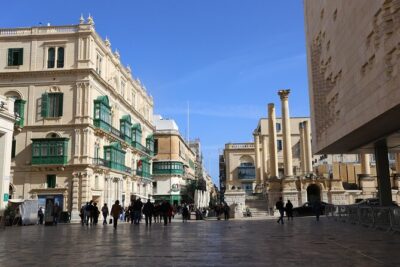
The Valletta Street Food and Culture Walking Tour
Read our review →Browse the lists this tour appears in