
Reviewed · VALLETTA TOURS
World War II Malta Full-Day Walking Tour
Malta’s wartime story comes alive underground, in the old air raid shelters and command rooms cut into the island’s limestone. This seven-hour walk links those sites with Fort St Elmo, Valletta’s memorials, and the harbors that made Malta so important in World War II. I especially like the air shelter visit and the stop at the Siege Bell, where the setting gives real weight to the story of the 1940 to 1942 siege.
You also get a strong introduction to Malta’s British past, including the George Cross, Operation Pedestal, and the command center used for the 1943 invasion of Sicily. The main caution is pace: several stops are shorter than the sites deserve, and the guide may be hard to hear outdoors without a portable microphone.
Key points to know before booking
- The air shelters are the emotional center: You go below ground into the spaces where civilians sought safety during bombing raids.
- Fort St Elmo adds a military setting: The fort helps explain Valletta’s defensive role and includes entry as part of the tour.
- The Siege Bell has one of Malta’s best views: From above the Grand Harbor, you can reflect on the 7,000 people who died during the siege.
- Valletta’s wartime story is woven into ordinary streets: Stops include Porta Reale, St George’s Square, Victoria Gate, and the former Royal Opera House.
- The tour covers a lot in seven hours: You see more with a guide, but you may not have enough time for every site.
- It suits independent-minded beginners: Hotel or nearby pickup, an English-speaking guide, and included admissions make Malta easier to approach if you are not ready to manage the route alone.
Why Malta mattered so much in World War II
Malta sits in the middle of the Mediterranean, between Europe and North Africa. That location made the island a valuable British base and a serious problem for the Axis powers.
From Malta, British aircraft and naval forces could attack Italian and German ships carrying fuel, equipment, and troops to North Africa. The opening of the North African front in 1940 made the island even more important. Control of Malta affected the supply lines supporting General Rommel’s forces.
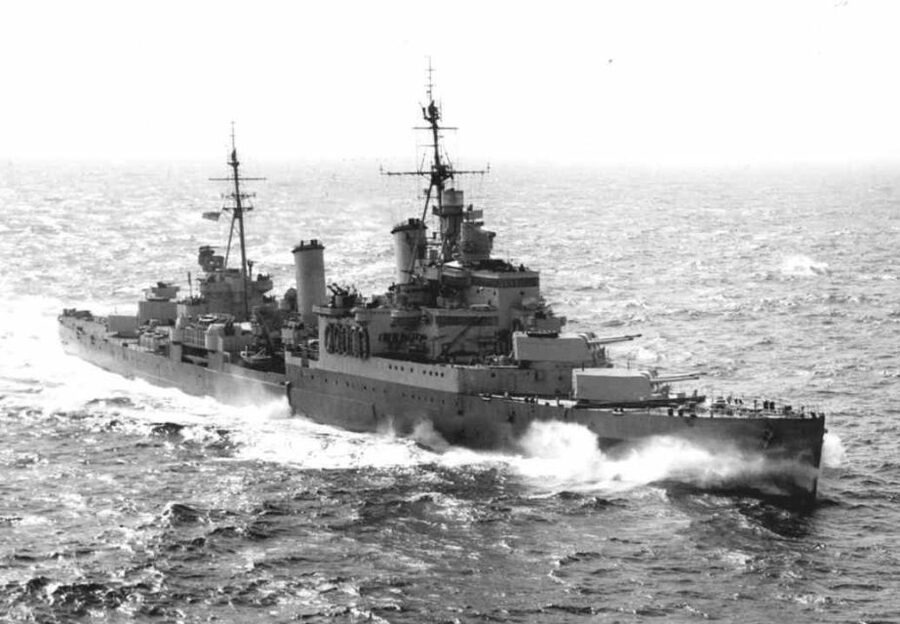
The siege lasted from 1940 to 1942. Italian and German aircraft attacked the island, while the Royal Air Force and Royal Navy defended it. Civilians faced shortages, ruined buildings, and long periods in underground shelters.
Your guide sets up this larger military picture before taking you through the physical evidence. That context matters because many of Valletta’s monuments can otherwise look like a collection of grand civic sites. On this tour, the gates, squares, walls, and harbor views become part of a wartime story.
More Walking Tours in Valletta
- The Original Valletta Walking Tour
★ 5.0 · 2,719 reviews - Valletta: 3-Hour Walking Tour
★ 4.7 · 1,605 reviews - Valletta: Guided City Walking Tour
★ 4.8 · 1,256 reviews
Air raid shelters: Malta’s most personal wartime stop
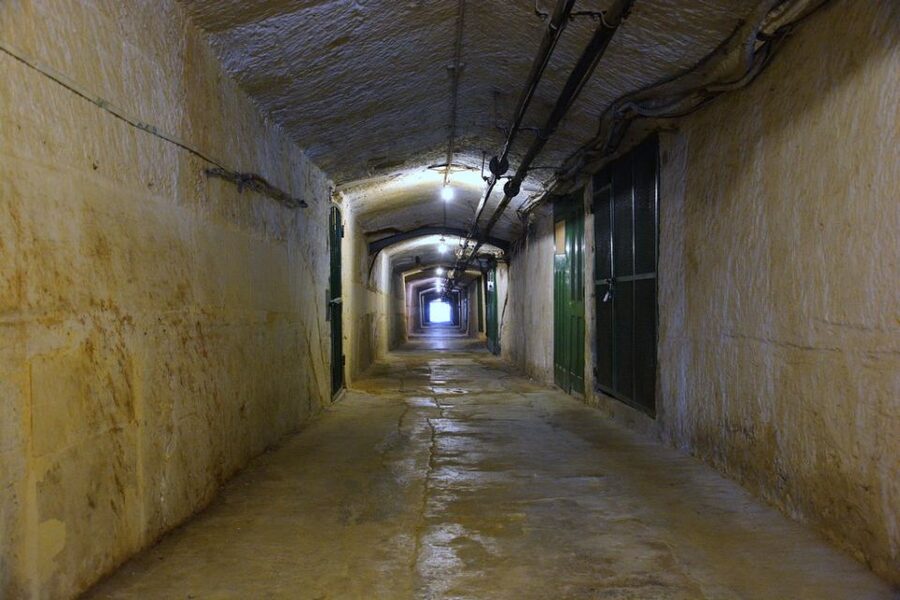
The underground shelters are likely to be the most memorable part of the day. You enter the air raid shelter system and see how people moved below ground when bombs began to fall.
The shelters help you understand the civilian side of the siege. Military maps and battle movements can feel remote, but a narrow passage carved into rock brings the danger closer. You are not simply hearing that Malta was bombed. You are standing in the sort of place where families waited for the attack to end.
The visit is included in the price, and that makes it a useful part of the tour rather than an optional extra. The underground setting can also be cooler and darker than the streets above, so comfortable shoes are important.
Allow yourself a little patience here. One guide described the shelters in detail, but the schedule allowed only a limited look at the complex. If you are fascinated by tunnels, fortifications, or civil defense, you may wish the stop lasted longer.
Fort St Elmo and the military story of Valletta
Fort St Elmo gives the tour a solid military anchor. Its position at the end of the peninsula helped defend the entrances to Valletta’s harbors, and its walls make Malta’s strategic position easier to picture.
The fort is not just another viewpoint. It helps connect Malta’s earlier defensive role with the later British wartime presence. As you move through the site, listen for how the guide links the fort to the harbor, the city walls, and the wider defense of the island.
The entry is included, which improves the value of the $71 price. Still, the schedule can feel tight. One afternoon may not be enough to inspect every corner, read every display, and pause at each view. If Fort St Elmo is your main reason for booking, an independent return visit could be worthwhile.
This is one reason the tour works best as an introduction. You get the setting and the main story, then you can decide which places deserve more of your own time.
Valletta’s land front and the bombed Royal Opera House
The walk through Valletta brings the war into the city streets. At Porta Reale, you see the curtain wall at the center of the Valletta Land Front. The entrance has long been one of the city’s key points of arrival, but during the tour it also becomes part of the defensive system.
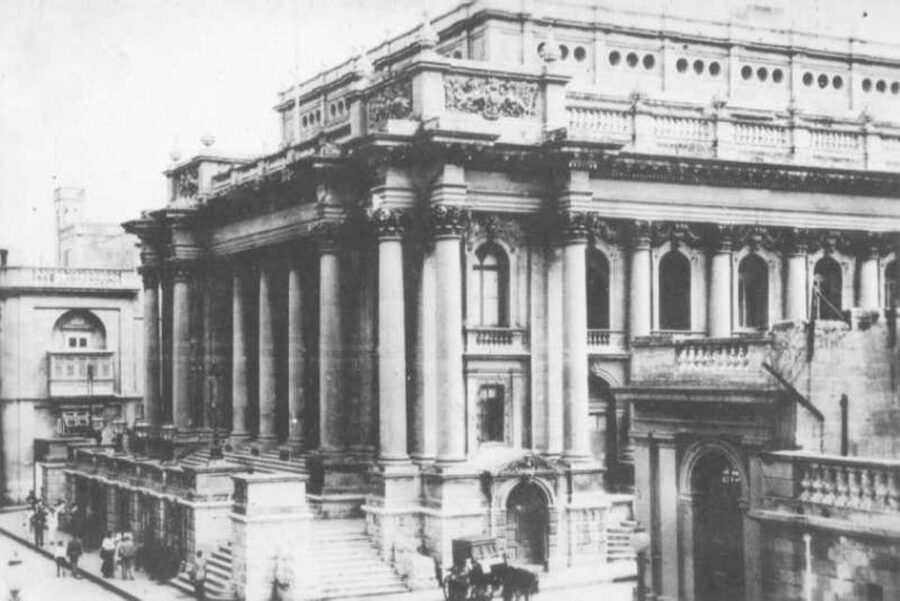
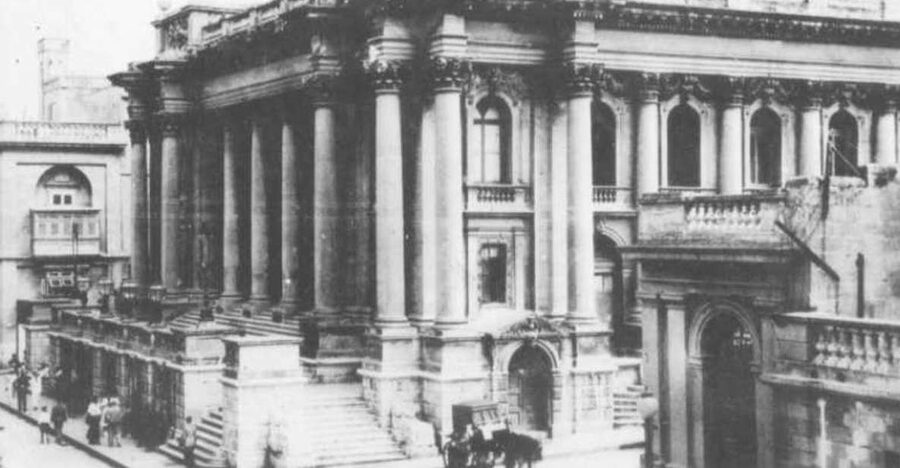
You continue to Pjazza Teatru Irjal, where the former Royal Opera House was heavily bombed in 1942. The damaged site is a useful reminder that the war did not stay at the edge of the city. Valletta’s civic buildings and public spaces were hit too.
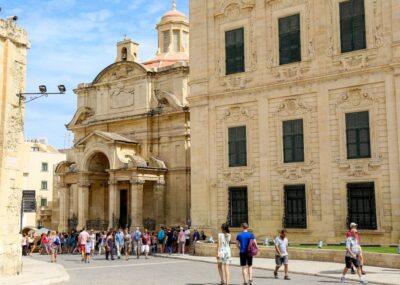
The route also passes along Strada Stretta and into St George’s Square. The square is tied to the George Cross awarded to Malta in 1942. That award recognized the island’s courage under attack and remains one of the clearest symbols of Malta’s wartime identity.
In Republic Square, the Queen Victoria Statue provides another look at the island’s British connection. These stops are not all museums or battlefields. That is useful. You see how wartime memory is woven into the everyday center of Valletta.
The drawback is that outdoor commentary depends on the guide’s voice and the noise around you. A past group found the guide pleasant and helpful but difficult to hear away from the vehicle. Stay close, and do not hesitate to ask for a repeat if the street is loud.
Same islands, a completely different day out:
- From Malta: Full-Day Gozo UTV Tour with Lunch and Boat Ride
★ 4.6 · 4,408 reviews - From Malta: Full-Day Gozo Quad Tour with Lunch and Boat Ride
★ 4.8 · 1,419 reviews - Valletta: Street Food and Culture Walking Tour
★ 4.8 · 1,251 reviews - Gozo Full-Day Jeep Tour with Private Boat to Gozo & return
★ 4.5 · 1,048 reviews
Victory Kitchens and the problem of food shortages
One of the more unusual details on the route is the story of the Victory Kitchens. These community kitchens were created to reduce food waste when supplies were scarce.
This small subject adds balance to the military story. The siege was not only about aircraft, ships, and commanders. It also changed how people found, saved, and shared food. A stop like this helps you picture the strain on ordinary households.
You may find this part brief, but it is worth paying attention to. It gives the tour a human scale and shows how the war affected daily life beyond the air raids.
Victoria Gate and the Santa Marija Memorial
At Victoria Gate, built on the site of the older Del Monte Gate, the tour returns to the relationship between Valletta and its harbor.
The nearby Santa Marija Memorial honors the sailors who died during Operation Pedestal. The anchor shape is fitting for a monument tied to a vital convoy and the struggle to keep Malta supplied.
This is a good point to pause and connect the military story to Malta’s survival. Supplies had to reach the island by sea, and those voyages were dangerous. The memorial gives you a place to remember the people behind the operation rather than treating it as a simple strategic success.
The tour includes several memorials, so the tone shifts between explanation and remembrance. If you prefer a fast sightseeing circuit, these pauses may feel slow. If you want the human cost included, they give the day more meaning.
Upper Barracca Garden and the Siege Bell
Upper Barracca Garden offers one of the clearest views of Valletta’s harbor. You can look across the water and see why the port mattered to both defense and supply.
The garden also includes statues of Winston Churchill and other prominent figures. They reflect Malta’s British wartime links, though the real attraction here is the combination of open space, harbor views, and military context.
From there, the Siege Bell Memorial overlooks the Grand Harbor. Built in 1992, it honors the 7,000 people who died during the Siege of Malta. The bell and its setting give the tour a quiet moment after the tighter streets and underground shelters.
I like this stop because it lets you step back from dates and names. You can see the water that ships had to cross, the harbor that had to be defended, and the city that endured the attacks. Bring a little patience here. The view is part of the lesson.
The Lascaris War Rooms and the road to Sicily
The Lascaris War Rooms take you below Valletta into the command center used for Malta’s air defense and major Mediterranean naval operations.
This is where the tour reaches beyond civilian survival and into high-level military planning. General Eisenhower, Admiral Cunningham, Field Marshal Montgomery, and Air Marshal Tedder used the rooms while directing the 1943 invasion of Sicily.
That connection makes the site important even for people whose main interest is not Malta itself. The war rooms show how the island served as an operating base for much larger Allied plans.
The visit is partly self-guided. Your guide takes you to the site, but you may continue through the museum and underground rooms on your own. That gives you freedom to read at your own speed, but it also means you should not expect a long guide-led explanation inside every section.
The schedule may allow only a couple of areas before the group moves on. If you are the sort of person who reads every panel and studies every map, you may feel rushed. Keep the museum in mind for a separate visit if underground command centers are a major interest.
How the seven-hour schedule feels
Seven hours gives you enough time to connect Valletta and Vittoriosa with the wartime sites, but it is a full day on foot. You should wear comfortable shoes, and you should expect a mixture of walking, indoor visits, outdoor commentary, and time around the city.
Pickup and drop-off at your hotel or a nearby meeting point remove some of the transport work. That is especially helpful if you are staying outside central Valletta or are not confident finding the historic sites on your own.
The route also suits solo visitors who want structure. You do not need to work out how the air shelters, fort, memorials, gardens, and museum fit together. The guide provides the sequence and the background.
The tradeoff is flexibility. The tour covers many locations, so you may leave some of them wishing for another hour. One part of the day allows free time around Valletta, but you still need to watch the clock if you stop for food. Lunch is not included, and a café stop can feel hurried if you want a proper meal.
Ask for the exact pickup time when the local supplier confirms it the day before. Starting times can vary, and the pickup detail matters on a seven-hour outing.
The guide makes or breaks the experience
The guide’s role is important because Malta’s wartime evidence is spread across the city rather than held in one large museum.
A former mayor has led the tour and was described as a real character with strong command of the subject. That kind of local connection can add useful color, especially when the route moves between British rule, civilian life, military operations, and modern memorials.
Other feedback points to a friendly guide who gave a good general introduction but spent less time on specific World War II details. That distinction is worth understanding before you book. This is not a specialist battlefield seminar. It is a guided introduction to Malta’s wartime places, with some broader sightseeing mixed in.
Stay near the guide during outdoor sections. If the group is large or the street is noisy, hearing every sentence may be difficult. A portable microphone would help, but none is specified as part of the equipment.
Is $71 a fair price?
At $71 per person, the tour offers reasonable value if you want transport assistance, a live English-speaking guide, and admissions handled together.
The air raid shelter ticket and Malta War Museum admission are included. The Fort St Elmo visit is also part of the advertised route, and hotel or nearby pickup adds convenience. Paying separately for several sites and arranging transport could take more time and planning.
The price is less attractive if you prefer to linger. You pay for coverage and structure, not unlimited time at each stop. Independent visitors may spend less by choosing only the air shelters, Fort St Elmo, or the museum and exploring Valletta at their own pace.
I would see the tour as a good first day for someone who wants the story explained in order. Afterward, you can return to the places that caught your attention.
Who should book this Malta WWII tour?
I would recommend it to you if you want:
- A clear introduction to the Siege of Malta
- A guided route through Valletta and Vittoriosa
- Underground air shelters and war rooms
- Malta’s British military story alongside civilian experiences
- Included admissions and hotel or nearby pickup
- A structured day rather than a self-planned itinerary
You may prefer independent sightseeing if you need extra time at museums, dislike fixed schedules, or already know Valletta well.
The tour is not suitable for people with mobility impairments. Seven hours of walking, underground spaces, and historic fortifications call for comfortable shoes and reasonable stamina.
Cancellation is flexible up to 24 hours before the tour for a full refund, and you can reserve now and pay later. Those terms are useful if your Malta plans are still shifting.
Should you book it?
Book this tour if you want Malta’s World War II story explained as you move through the actual shelters, walls, harbors, forts, and memorials. The strongest parts are the air raid shelters, the Siege Bell view, Fort St Elmo, and the chance to connect Malta’s defense with the 1943 invasion of Sicily.
Do not book it expecting a slow, specialist visit to every underground room. The schedule is ambitious, lunch is not included, and outdoor commentary may be hard to hear at times.
For a first look at wartime Malta, I think the $71 price is fair. Use it to get your bearings, then return on your own to the museum or fort that deserves more time.
FAQ
How long does the World War II Malta tour last?
The tour lasts seven hours.
What language is the tour conducted in?
The live tour guide speaks English.
Which places are visited?
The route includes Vittoriosa and Valletta, air raid shelters, Fort St Elmo, Valletta’s war memorials, Upper Barracca Garden, the Siege Bell Memorial, and the Lascaris War Rooms.
Are entrance tickets included?
Entry to the air raid shelters and Malta War Museum is included. Fort St Elmo is also included in the tour experience.
Is lunch included?
No. Lunch is not included, so you should plan to bring money for food during the available free time.
Is hotel pickup available?
Yes. Pickup and drop-off are provided at your hotel or the nearest pickup point.
What should I bring?
Bring comfortable shoes for the seven-hour walking tour.
Can I cancel for a full refund?
Yes. You can cancel up to 24 hours in advance for a full refund. You can also reserve now and pay later.
More Full-Day in Valletta
- Malta: Full-Day Gozo Buggy Tour with Lunch & Boat Ride
★ 4.7 · 610 reviews - From Sliema: Full-Day Cruise to Comino and the Blue Lagoon
★ 3.6 · 609 reviews - Private Customizable Full-Day Tour in Malta
★ 5.0 · 416 reviews - Malta: Gozo Full Day Buggy Tour with lunch and Comino Stop
★ 5.0 · 233 reviews
Just added around Valletta
- Tour of Malta (Private Driver) Including Lunch Platter & Wine in the countryside★ 4.5 · 3 reviews
- Private Tour in Malta Prehistoric Temples & Mdina★ 5.0 · 4 reviews
- Private Tour of the Maltese Island (Private Driver)★ 5.0 · 4 reviews
- Valletta: Express Walk with a Local in 60 minutes★ 4.9 · 4 reviews
- Valletta Private Historical and Cultural Walking Tour★ 5.0 · 4 reviews
- Shore Excursion: Private Full-Day Tour of Valletta & Mdina★ 5.0 · 4 reviews
- Leisure Pass in Malta★ 4.0 · 4 reviews
- Malta tour 3Cities , Marsaxlok ,Blue grotto Hagar qim★ 4.9 · 4 reviews
Valletta Tours, compared.

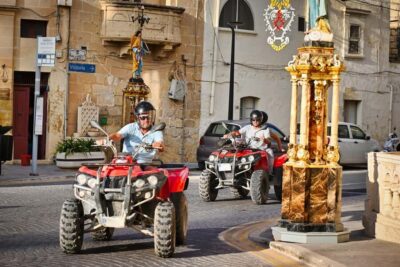
Full-Day Gozo UTV Tour with Lunch and Boat Ride
Read our review →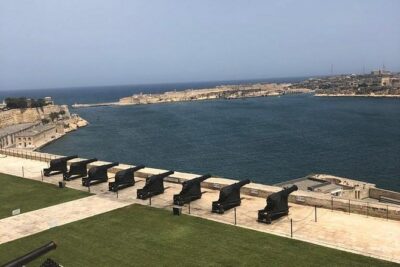
Full-Day Gozo Quad Tour with Lunch and Boat Ride
Read our review →

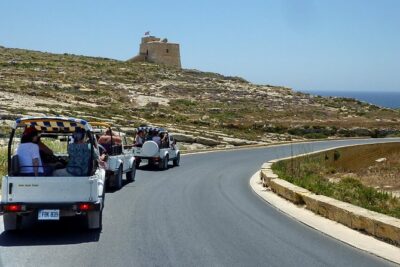
Gozo Full-Day Jeep Tour with Private Boat to Gozo & return
Read our review →
Browse the lists this tour appears in