
Reviewed · MDINA & RABAT TOURS
Mdina and Rabat Insider’s Tour
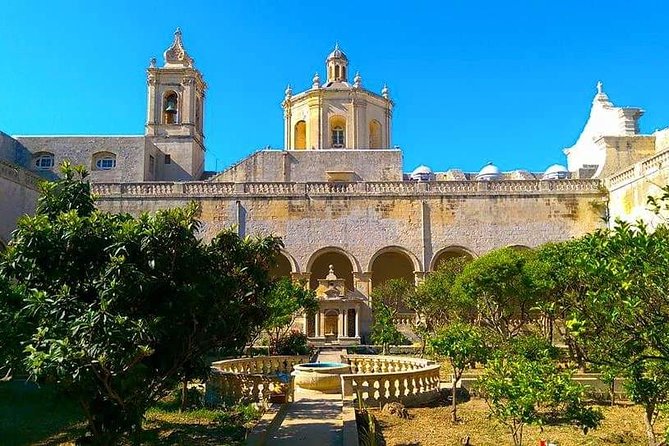
Mdina and Rabat make a fine pair: one is the hushed, fortified old capital, the other a living town where people still shop, worship, gather, and decorate their streets for local feasts. With Rabat-born guide Chris, you get more than a monument checklist. You get the story of how these two towns fit together.
I especially like the small-group limit of 10 and the late-afternoon start. A small group gives you room to ask questions, while 3 p.m. can bring softer light and fewer people than the busiest part of the day. The walk also includes both famous sights and ordinary corners that are easy to miss alone.
The main consideration is the balance between the two towns. Mdina receives the strongest historical focus, while Rabat is more personal and community-based. If you want only grand architecture, the final part may feel less focused. You should also expect some walking and possible church or museum fees beyond the tour price.
Key points at a glance
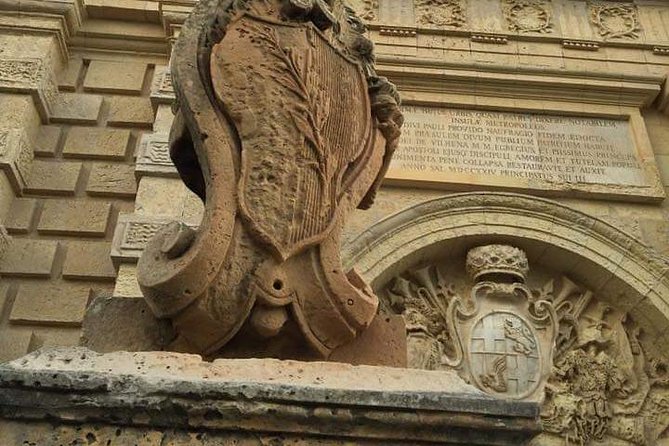
- Mdina’s Silent City: Walk narrow lanes lined with palaces, churches, monuments, and quiet residential doorways.
- Rabat from a local point of view: Chris was born and raised in Rabat and connects its streets with present-day Maltese life.
- A genuinely small group: The advertised maximum is 10 people, making it easier to hear the guide and ask questions.
- A useful 3 p.m. start: The timing can help you avoid the thickest crowds and may give you warm evening light.
- History with practical advice: Expect restaurant suggestions, cultural context, local customs, and stories about the people who shaped the towns.
- A moderate walking outing: You need a reasonable level of fitness, and church or museum admission is not included when a fee applies.
Why Mdina and Rabat belong on the same walking tour
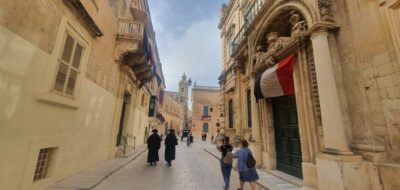
Mdina and Rabat sit side by side, but they offer different impressions of Malta. Mdina is enclosed, formal, and unusually quiet. Its stone streets turn sharply between high walls, grand entrances, churches, and old residences. Rabat is larger and more lived-in, with a stronger sense of daily community life.
That contrast is the point of the tour. Mdina shows you Malta’s old power center and noble character. Rabat helps connect that past with the way the area functions now. You are not simply walking from one attraction to another. You are seeing two adjoining towns with different moods and roles.
I find this pairing more useful than visiting Mdina alone, especially if you have only a few days in Malta. Mdina can look almost theatrical at first glance, but Rabat supplies the human setting around it. Together, they give you a clearer sense of place.
The experience lasts about two and a half hours, although the listed stops allocate roughly an hour to Mdina and an hour to Rabat. The remaining time allows for transitions, pauses, questions, and the slower pace that makes a walking tour worthwhile.
More Mdina and Rabat visits:
- Malta: Highlights of Malta & Mdina Full Day Tour with Lunch
★ 4.4 · 2,688 reviews - Malta: Mdina and Rabat Walking Tour with Catacombs
★ 4.8 · 1,126 reviews - Malta: Mdina, Dingli Cliffs and San Anton Botanical Gardens
★ 4.3 · 991 reviews
Entering Mdina through the Silent City

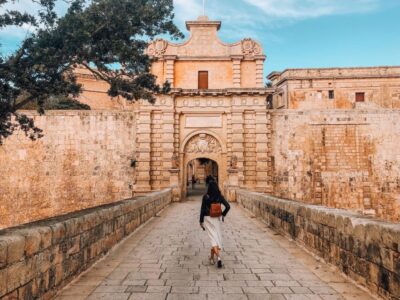
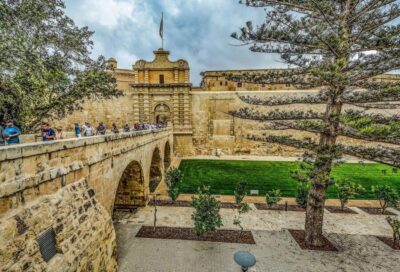
The tour begins at Mdina Gate at 3 p.m. This is a sensible meeting point because it puts you right at the entrance to the old city rather than asking you to search for a shop, hotel, or obscure street corner.
Inside Mdina, expect a steady walk through narrow, winding streets. The guide focuses on the city’s major palaces, churches, and monuments, but the appeal lies just as much in the details between them. Architectural features on administrative buildings and private homes help explain how the city was organized and who lived behind its stone facades.
Chris’s approach, according to the experience description, combines the main sights with lesser-known corners. That matters in Mdina. You can see the broad outline of the city on your own, but a local guide helps you notice doorways, building details, and quiet passages that would otherwise blur into the background.
The city is still lived in, and that changes the mood. You may hear ordinary household sounds rather than only tour groups and traffic. One of the most appealing aspects of the walk is this sense that Mdina is not just a preserved stage set. It remains a place where daily life continues within an old shell.
The guide also explains the changing role of Maltese nobility. This is useful context, since Mdina’s grand residences can seem impressive without making their social purpose clear. Learning who occupied these buildings, and how power shifted over time, gives the architecture a sharper meaning.
Mdina is also the part of the walk most likely to satisfy visitors who want a strong historical and architectural overview. You will see the city’s major visual highlights while also receiving the small observations that make a return walk more rewarding.
Rabat after the monuments
The Rabat section changes tone. Rather than remaining in a compact fortified city, you walk through a larger town where churches, convents, homes, and local streets form part of everyday life.
The tour passes some of Rabat’s most attractive churches and convents, with the possibility of going inside when access is available. Keep in mind that entrance fees are not included if a church or museum charges one. The experience itself includes the guide’s services, not every admission along the way.
Rabat is where Chris’s personal connection becomes most noticeable. He grew up there and has shown parts of the town connected with his family, including his grandmother’s home and the church he attends. He has also explained how local families and volunteers prepare streets and churches for a feast.
Those details can be a real strength. They show you Rabat as a community, not simply as an extension of Mdina’s historical monuments. If you enjoy local customs, personal stories, and the connection between old traditions and present-day life, this part adds something you cannot get from a guidebook paragraph.
It can also feel less tightly organized than the Mdina section. Personal anecdotes naturally take up more space, and the focus may shift from noble history and architecture to local experience. I would treat this as a difference in style rather than a flaw, but it is worth knowing before you book.
If you want a tour made entirely of major sights, you may prefer a Mdina-only visit. If you want to understand the surrounding town and hear how a local sees it, Rabat is the reason to keep the second half.
A guide who connects history with daily life
The experience is led by a licensed local guide, with Chris named repeatedly as the guide. He was born and raised in Rabat, speaks clear English, and uses a relaxed style with humor. That combination is important on a two-and-a-half-hour walk. A dry list of dates can make Mdina feel like homework. Stories, jokes, and local observations keep the pace human.
You should expect the guide to explain history, architecture, Maltese culture, language, and life in the towns today. Chris also gives food suggestions, which can be especially handy because Rabat is known for its restaurants. Several tour experiences have ended with diners taking a local restaurant recommendation, including a place praised for Maltese food and cocktails.
The small group makes this format work better. With a maximum of 10 people, you have a fair chance to hear the explanation in a narrow lane and ask about something that catches your eye. Families can also find the pace approachable. Chris has been described as patient with children and willing to allow time for rests, photographs, exploration, and local treats.
That flexibility is valuable in Malta’s heat. A walking tour in 35-degree weather can become tiring fast, so a guide who watches the pace and makes room for breaks is an advantage. Still, you should bring water, wear practical shoes, and be ready for uneven streets and standing during explanations.
One point deserves a fair mention. A single experience included a concern that some questions did not receive enough explanation. The overall description of Chris is strongly positive, but if you have detailed historical questions, ask them clearly during the walk. The small-group format gives you a good opportunity to do so.
Same islands, a completely different day out:
- Malta: Gozo & Comino Islands, Blue Lagoon & Seacaves Tour
★ 4.5 · 15,672 reviews - Comino: Blue Lagoon, Crystal Lagoon, and Seacaves Tour
★ 4.6 · 5,673 reviews - Malta: Blue Lagoon, Beaches & Bays Trip by Catamaran
★ 4.7 · 5,496 reviews - Malta: Gozo, Comino, Blue & Crystal Lagoon, & Caves Cruise
★ 4.6 · 5,092 reviews
What the 3 p.m. timing adds
The 3 p.m. start is one of the smarter details of this outing. Mdina can draw plenty of daytime visitors, and a later start may make the narrow lanes feel calmer. It also avoids placing the entire walk in the strongest midday heat.
In February, the late start offered warm sunset light on the stone buildings and fewer people in the streets. That effect will vary by season and weather, so do not treat it as a guarantee, but the timing is well chosen for photographs and atmosphere.
The tour requires good weather. If poor weather forces cancellation, you are offered another date or a full refund. You can also cancel for a full refund up to 24 hours before the start time. Changes or cancellations made inside that window are not accepted.
The activity ends back at the Mdina meeting point. That makes planning simpler, especially if you arrived by public transportation or want to continue exploring nearby afterward. Mdina and Rabat are served by public transport, and one visitor found the bus journey from Valletta straightforward, though fares and schedules can change.
Is $24.19 good value?

At $24.19 per person, this is priced as an accessible walking tour rather than a full attraction package. You are paying mainly for the guide’s time, local knowledge, and route, not for museum tickets or a meal.
I consider that good value if you want orientation and context. In two and a half hours, you cover two historic towns, hear about major buildings, visit or pass churches and convents, and receive local suggestions for food and further exploring. A private guide would normally cost far more, while a self-guided walk would not provide the same conversation or personal connection.
The value is strongest for first-time visitors, families, and anyone who wants Malta explained in plain language. It is also useful early in a trip, since restaurant advice and local tips can shape the rest of your stay.
The value is weaker if you dislike walking tours or already know Mdina and Rabat well. It is also less suitable if you want guaranteed entry to every church and museum, since admission fees are separate and access can depend on the site.
Gratuities are not included, so budget for that separately if you choose to tip. The ticket is mobile, and confirmation is provided at booking.
Who will enjoy this walk most?
I would choose this tour if you want a compact introduction to central Malta’s history without spending half a day on a coach. The route suits couples, families, solo visitors, and small groups who enjoy asking questions as they walk.
It is particularly good for:
- First visits to Malta: You get a clear introduction to Mdina, Rabat, Maltese history, architecture, and local customs.
- Families with older children: The guide’s humor, stories, and flexible pace can keep the walk accessible.
- Food-minded visitors: Local restaurant suggestions can help you turn the end of the tour into a good evening meal.
- Photographers: The later start may provide softer light and quieter streets.
- People who value local contact: Rabat feels more personal when explained by someone born and raised there.
I would think twice if you want a tour that stays strictly within Mdina. The Rabat section is less about a concentrated run of headline monuments and more about community, churches, homes, and personal connections.
You should also have moderate physical fitness. The route is on foot, and the tour does not advertise a seated or vehicle-based alternative. Service animals are allowed, and the meeting point is near public transportation.
How to make the most of the afternoon
Arrive at Mdina Gate with comfortable shoes and water. Since the tour returns to the same point, you do not need to carry everything for the rest of your day, but a small bag is easier on narrow streets.
Ask Chris about anything that interests you. The strongest part of a small-group walk is the conversation, and his local background gives you a chance to ask about customs, churches, food, language, and present-day Rabat rather than only dates and rulers.
Consider eating in Rabat after the walk. The tour includes local restaurant recommendations, and Rabat is regarded as one of Malta’s better areas for dining. A meal afterward also lets you remain in the town once you understand it, rather than rushing straight back to Valletta or another base.
If you are visiting during a local feast period, pay attention to street decorations, church preparations, and volunteers at work. These moments help explain how old religious and community traditions remain part of ordinary Maltese life.
Finally, keep your expectations balanced. This is not a museum tour with long indoor visits or a ticket covering every attraction. It is a guided walk through streets, buildings, stories, and local connections.
Should you book Mdina and Rabat Insider’s Tour?
I would book it if you want Mdina’s major sights explained clearly and Rabat presented as a real town rather than a footnote. The strongest reasons are the small group, the useful late-afternoon timing, and Chris’s personal connection to Rabat.
Choose it with a slightly different expectation for each half. Mdina delivers the grand architecture and concentrated history. Rabat offers churches, convents, local customs, family connections, and advice on where to eat.
At $24.19, the tour is a sensible buy for a first visit, especially if you have limited time in Malta. Skip it only if you want Mdina alone, prefer to explore without a guide, or need a fully indoor and mostly seated experience.
FAQ
Where does the Mdina and Rabat tour start?
The tour starts at Mdina Gate, Mdina, Malta.
What time does the tour begin?
The scheduled start time is 3 p.m.
How long does the experience last?
The tour lasts approximately two hours and 30 minutes.
Where does the tour end?
The activity ends back at the Mdina meeting point.
Is the tour conducted in English?
Yes. The tour is offered in English.
How large is the tour group?
The advertised maximum is 10 travelers.
Are church and museum entrance fees included?
No. Any church or museum entrance fees are not included in the tour price.
Is public transportation available near the meeting point?
Yes. The meeting point is near public transportation.
What happens if bad weather cancels the tour?
Because the experience requires good weather, you will be offered a different date or a full refund if it is canceled for that reason.
Just added around Malta
- Serenity at Sea: Comino Blue Lagoon Exclusive Day Cruise★ 5.0 · 3 reviews
- Gozo Unveiled: Guided Hiking in Gozo – South East★ 5.0 · 3 reviews
- Gozo Unveiled: Guided Hiking in Gozo – The West★ 5.0 · 3 reviews
- Malta Chocolate Factory Gin and Truffle Making Experience★ 5.0 · 3 reviews
- From St. Julian’s: Jet Ski Safari to the South of Malta★ 5.0 · 3 reviews
- St. Julian’s: Comino Blue Lagoon Sunset Cruise by Speedboat★ 3.6 · 3 reviews
- Malta: Around Comino Cruise With Blue Lagoon stop★ 5.0 · 3 reviews
- Private Speedboat Tour: Blue Lagoon & 3 Islands from Split★ 5.0 · 3 reviews
Mdina & Rabat Tours, compared.
Highlights of Malta & Mdina Full Day Tour with Lunch
Read our review →
Mdina, Dingli Cliffs and San Anton Botanical Gardens
Read our review →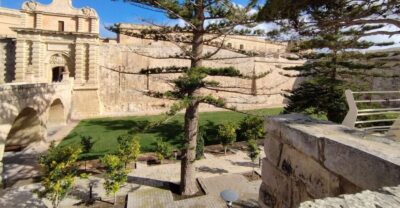

Mdina and Rabat Walking Tour inc. Catacombs and St. Paul’s Grotto
Read our review →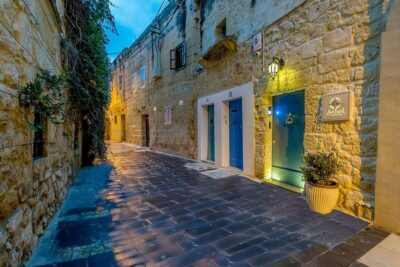
Valletta Waterfront Area, Mdina, and Rabat Night Tour
Read our review →Browse the lists this tour appears in