

Reviewed · HISTORICAL TOURS
The Limestone Heritage Park and Gardens (Entry Ticket)
Malta’s story is carved into its honey-colored limestone, and this family-run park in Siġġiewi gives you a close look at how that stone shaped the islands. In one visit, you move from a 7,000-year history presentation to geology displays, a Punic tomb, gardens, farm animals, and live stonework.
I like the freedom to explore at your own pace, and I like the choice of 17 audio-guide languages, including English, French, German, Italian, Spanish, Chinese, and Japanese. The main drawback is size: this is a modest attraction, not a full-day museum complex, so some visitors may find it smaller than expected.
Key points to know
- See a Punic tomb from about 400 B.C., included with admission.
- Use audio in 17 languages, with no live guide needed for the main visit.
- Watch stone sculpting in person, a useful link between Malta’s geology and its buildings.
- Combine history with gardens and animals, making the park suitable for families.
- Pay $11 per person, with food, drinks, and transport not included.
- Plan around limited hours, especially Saturday’s noon closing and Sunday closure.
Why Malta’s limestone matters
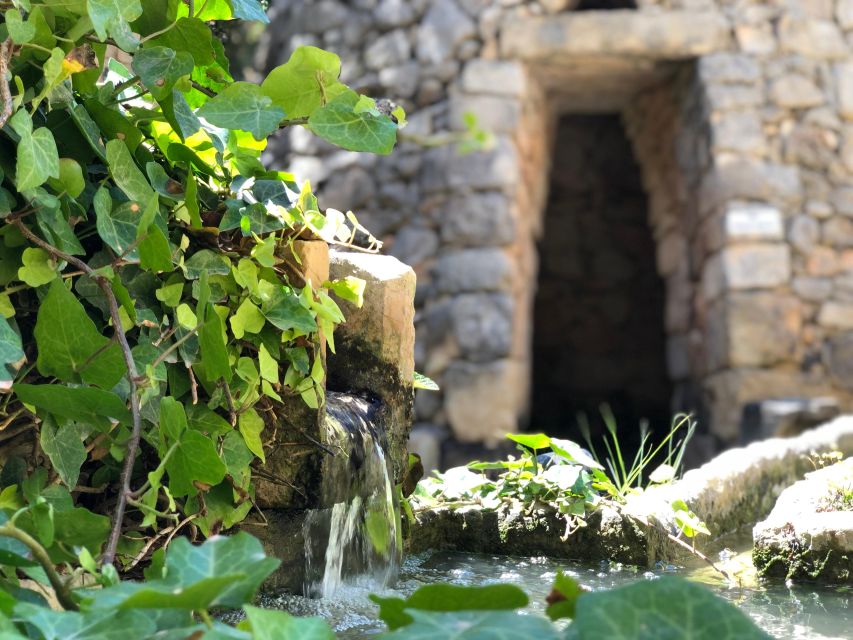
Limestone is not just a building material in Malta. It gives the islands much of their color, shape, and character. Churches, village homes, fortifications, carved details, and farm buildings have all depended on local stone.
That makes this park more useful than a quick collection of displays. You are looking at the material behind much of Malta’s built story, then seeing how craftsmen still work it. The attraction connects the ground beneath your feet with the monuments you see across the country.
The setting in Siġġiewi adds to that sense of place. This is a traditional Maltese village rather than a large city attraction, and the park combines outdoor space with indoor exhibits. I would pair it with a wider visit to Malta’s villages or countryside, rather than treating it as the only major stop of your day.
More history walks around Malta:
- Malta: Prehistoric Temples, Limestone Heritage & Blue Grotto
★ 4.2 · 412 reviews - Maltese Islands History Audio-Visual Show and La Sacra Infermeria Tour
★ 4.0 · 344 reviews - Valletta: Self-Guided Historical Walking Tour (Audio Guide)
★ 3.7 · 251 reviews
Start with the audio-visual presentation
Your visit begins with an audio-visual presentation about the islands’ history. It is available in 17 languages, so you can follow the material in the language you understand best.
This opening matters because it gives the rest of the visit a frame. The geology section makes more sense after you have seen how stone affected Maltese life, and the stonework demonstration feels less like a craft show when you understand the material’s place in local culture.
The presentation is also useful if you are visiting Malta early in your trip. It introduces a subject you will keep seeing everywhere: limestone construction and carving. Do not expect a long classroom lecture. Think of it as a compact orientation before you walk through the rest of the park.
Follow the audio-guided walkthrough
The audio-guided route lets you move through the attraction without being tied to a tour group or fixed guide. That is a practical advantage for families, couples, and anyone who prefers to pause at displays.
You can listen in Maltese, English, French, German, Italian, Dutch, Russian, Spanish, Greek, Portuguese, Swedish, Danish, Finnish, Norwegian, Polish, Chinese, or Japanese. The range is unusually broad for a small attraction, and it makes the visit easier for international families traveling together.
I would take your time with the audio rather than rushing from one point to the next. The ticket is valid during the full opening day, but entry is one-time only, with no re-entry. That means you should plan your visit as one continuous stop.
The audio format does have a trade-off. You will not have a guide walking beside you to answer personal questions or adjust the pace. If you like independent sightseeing, that is a plus. If you want a conversation about Malta’s past, you may find the experience less satisfying than a guided walking tour.
The geology section puts the stone first
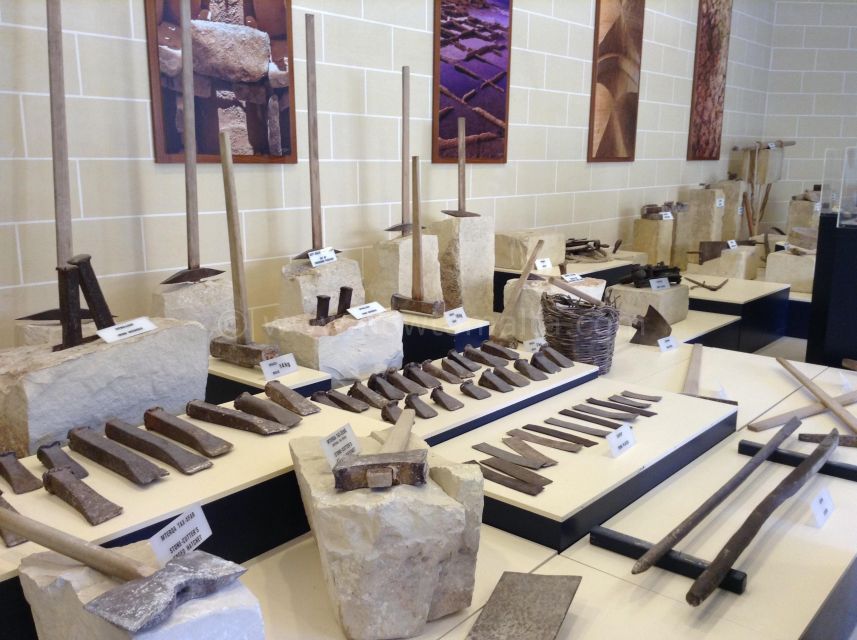
The geology section explains the natural side of Malta’s limestone. This is where you can focus on the stone itself, before seeing how people shaped it.
For me, this is one of the most useful parts of the park because it helps you read Malta with sharper eyes. Stone is easy to overlook when you are admiring a church facade or an old village street. Here, the material gets its own attention.
The supplied details do not specify the exact specimens or display layout, so you should expect an educational section rather than a large natural-history museum. It is likely to appeal most to visitors who enjoy geology, architecture, local crafts, or hands-on cultural context.
Children may appreciate this section more when it is linked to the later stonework demonstration. You can point out that the stone on display is not an abstract science topic. It is part of the country’s everyday visual identity.
A few more Malta half-days to weigh up
- St Paul’s Bay: Malta National Aquarium Entry Ticket
★ 4.4 · 2,532 reviews - Mellieha: Popeye Village Entry Ticket
★ 4.6 · 2,070 reviews - Mellieha: Popeye Village Malta Filmset Entry Ticket
★ 4.6 · 1,802 reviews - Malta National Aquarium Entrance Ticket
★ 4.0 · 643 reviews
The museum hall adds human detail
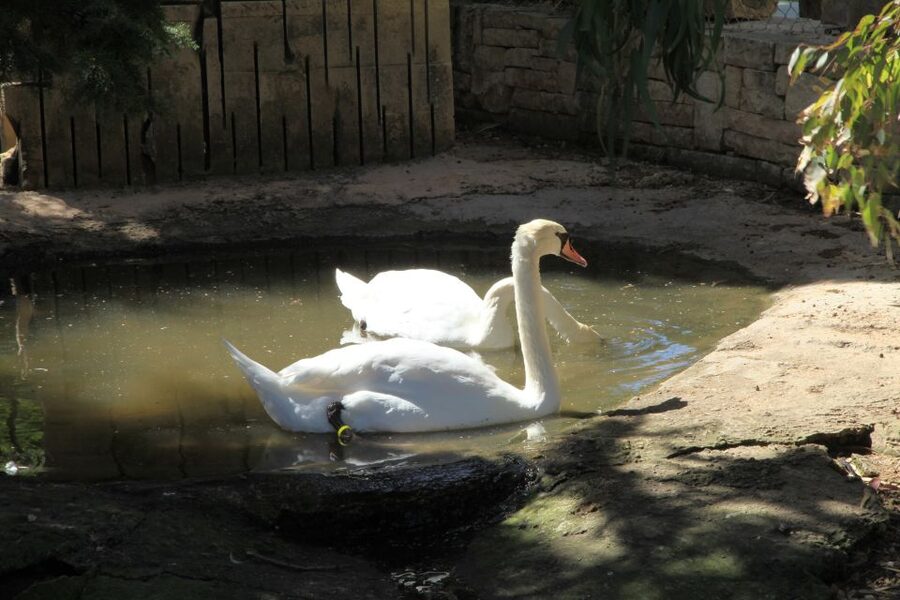
The museum hall shifts the focus from rock to people. The park presents Malta’s past through objects and exhibits that help explain local work, customs, and the role of limestone.
Because the attraction covers roughly 7,000 years, you should not expect every period of Maltese history to receive the same depth as it would in a national museum. Instead, the museum works as part of a larger sequence: presentation first, geology next, historic remains and objects after that, then living craft and outdoor spaces.
That sequence is a strength. You are not only reading about the past. You are seeing evidence, walking through a historic site, and watching a related skill being practiced. I find that kind of progression easier to remember than a room filled with labels alone.
Look for the Punic tomb dating to 400 B.C.
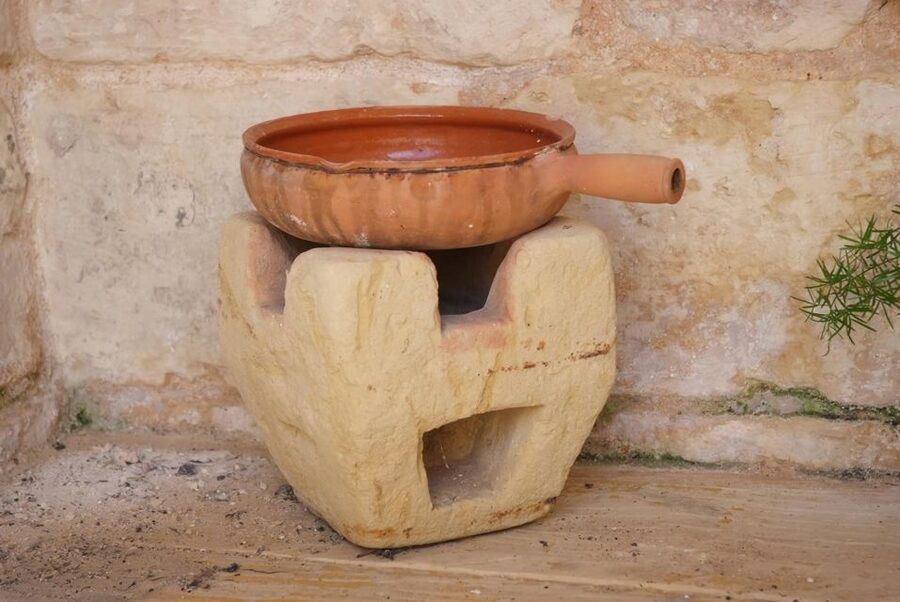
The Punic tomb is the oldest and most specific historic feature listed at the park. Dating to about 400 B.C., it gives you a direct connection to Malta’s ancient past.
This is not presented as a separate archaeological expedition, and the available information does not give its size or exact form. Still, its presence adds weight to the visit. A tomb is not merely a display object. It is a physical place connected to burial customs and the people who lived on the islands long before modern Malta.
I would give this stop proper attention, even if it takes only a short time. It is easy to hurry past a small historic feature when an attraction also has gardens and animals, but the tomb is one of the places that makes the park more than a family outing.
Watch live stonework in action
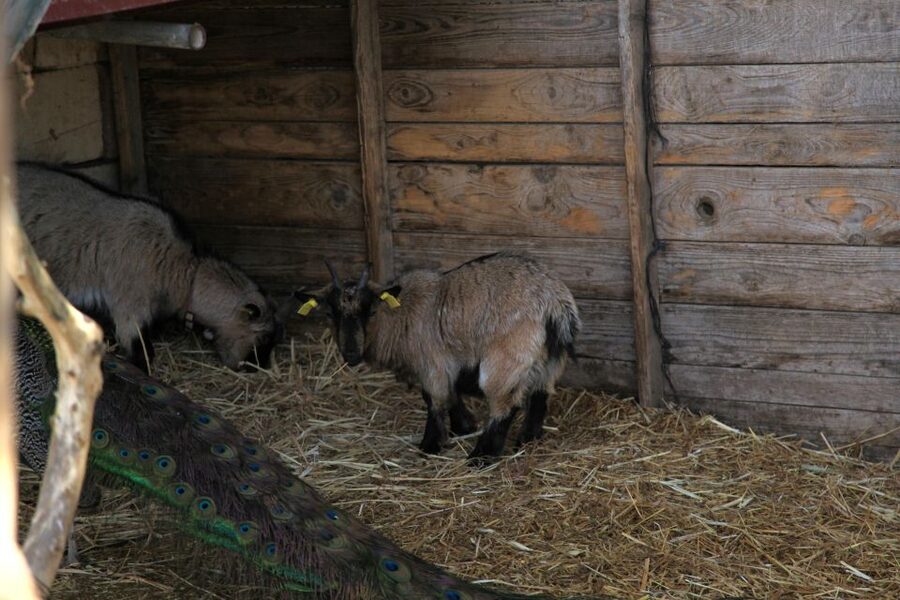
The live stonework demonstration is where the attraction becomes practical. Instead of only seeing finished buildings or carved objects, you can watch stone sculpting take place.
That connection is valuable. Malta’s limestone heritage is not only something from the past, and the demonstration shows the skill required to shape it. You get a better sense of the work behind the decorative details found in Maltese architecture.
The exact demonstration schedule is not provided, so I would not assume it runs continuously throughout the day. Ask about the timing when you arrive, especially if this is the main reason you are visiting.
One especially appealing option is the chance to create your own limestone piece for an extra €5. This is not included in the $11 admission, but it gives you a hands-on souvenir and a clearer sense of how the material responds to carving. You can spend time refining it rather than simply buying a ready-made object.
That extra activity may be worth it for families and craft-minded visitors. If you only want a quick look around, it is easy to skip, since there is no obligation to buy or take part.
Make time for the citrus garden
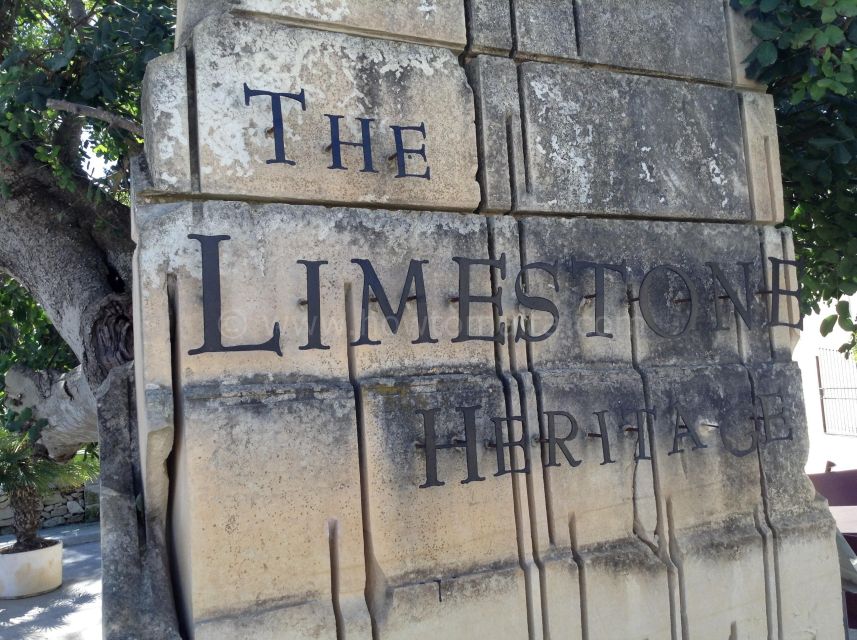
The citrus garden gives the visit a quiet outdoor pause. After the indoor displays and historic material, you can walk among the gardens and enjoy a less structured part of the park.
This is a good reason not to treat the ticket as a quick museum admission. The attraction is designed to combine history and nature, and the garden gives you space to slow down.
The available information does not list the types of citrus trees or the exact walking distance. I would therefore come for the atmosphere rather than for a specialist garden tour. It is a pleasant addition, especially if you are visiting with children or want a break from more formal sightseeing.
Keep in mind that Malta can be hot and bright, depending on the season. The park’s outdoor areas may be more comfortable earlier in the day, though the opening hours are limited enough that you should also plan around when the attraction closes.
Visit the farm animal park
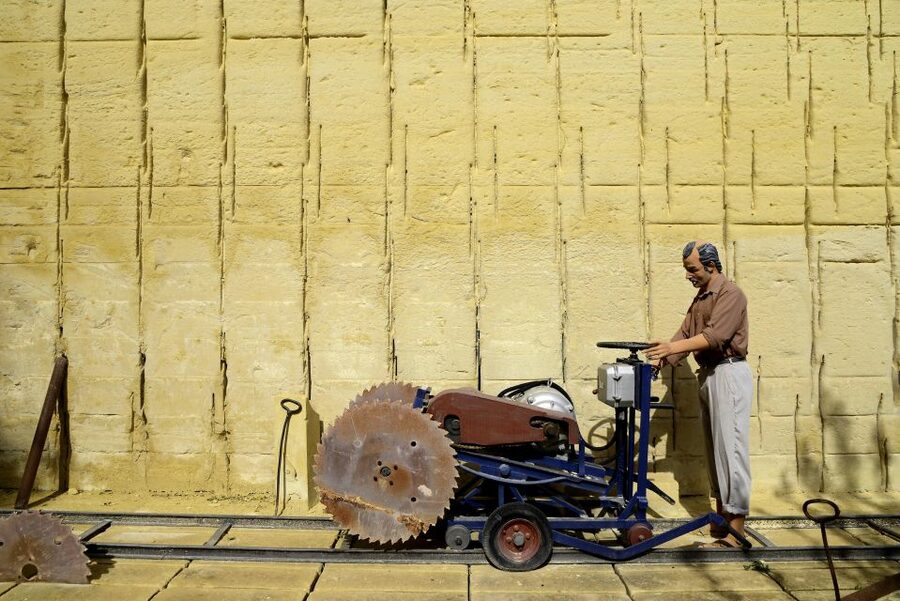
The animal farm adds a simple, family-friendly element. You can meet the park’s animals after the historic and geological sections, giving younger children something immediate and lively to enjoy.
This part may also help balance the visit for a mixed-age group. Adults can focus on Malta’s stone and archaeology, while children get a more approachable outdoor stop.
The information provided does not name the animals or describe feeding opportunities, so do not build your plans around a particular species or animal activity. Think of the farm as an included extra rather than the central reason to buy the ticket.
For families, that extra can still matter. A small attraction often works best when it offers several kinds of interest, and the farm keeps the day from feeling like a sequence of exhibits aimed only at adults.
Stop for a Maltese snack
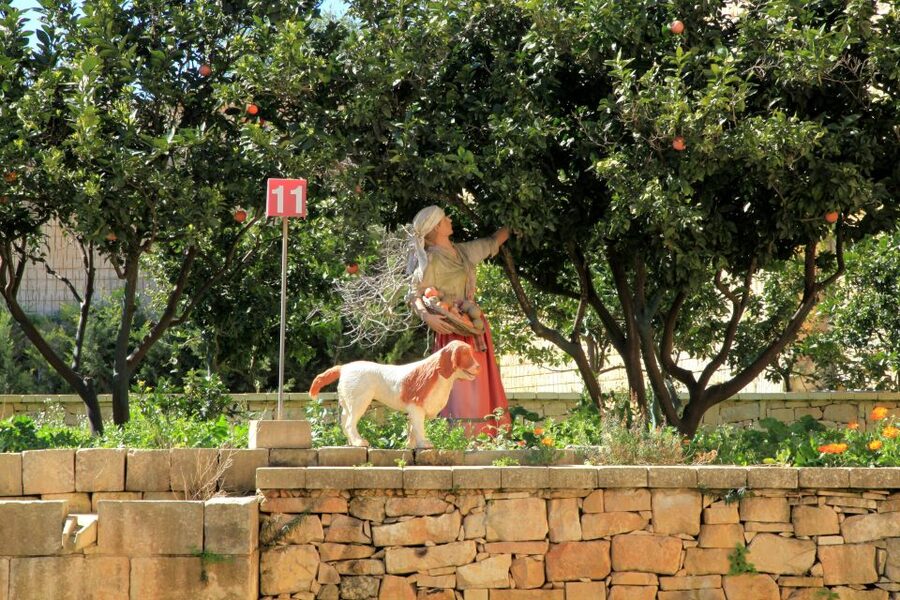
Food and drinks are not included, but you can buy refreshments on site. Options include tea, coffee, a Maltese platter, and Maltese tuna ftira, along with other snacks.
The ftira is a useful choice if you want to try something tied to Maltese food culture rather than relying on a standard cafe snack. A platter can also turn the visit into a relaxed stop in the countryside.
I would treat the food as optional, not part of the ticket’s core value. The admission covers the park’s exhibits, audio material, historic site, garden, farm, and demonstrations. Add the cafe stop if you want a slower visit, but budget separately for it.
The peaceful setting is part of the appeal. You can finish the cultural portion, sit with a drink, and decide if you want to browse the shop before leaving.
Browse the shop for stone souvenirs
The shop sells genuine Maltese goods and exclusive stone souvenirs. This is another place where the attraction connects the lesson with something you can take home.
A small carved stone item may be more meaningful after you have watched the sculpting demonstration. You understand that the souvenir is linked to a local material and craft tradition, not just a generic gift-shop product.
Purchases are optional, and the ticket does not require you to buy anything. If you choose the extra €5 limestone-making activity, your own piece may be a more personal souvenir than something from the shelves.
Is $11 a fair price?
At $11 per person, the ticket is reasonably priced if you use the full range of the park. You receive the audio-visual presentation, audio-guided route, museum hall, geology section, Punic tomb, citrus garden, farm, and stonework demonstrations.
The value depends on your pace. Someone who rushes through the exhibits may feel the attraction is small for the price. Someone who watches the presentation, follows the audio route, studies the displays, visits the garden and animals, and catches the stonework demonstration gets a broader experience.
Food, drinks, transport, and the optional €5 limestone activity cost extra. There is no hotel pickup or drop-off, and no live guide is included. I would compare this ticket with the cost of other Malta activities, but its low entry price makes it an easy add-on if you are already visiting the Siġġiewi area.
A verified booking from February 2025 described the attraction as smaller than expected but pleasant, with the option to make a limestone piece for €5 and spend time improving it. That is a useful warning: come expecting a compact park with varied stops, not a huge theme park or major archaeological museum.
Plan your visit around the opening hours
The park is open Monday through Friday from 9:00 a.m. to 4:00 p.m. On Saturday, it closes at noon. It is closed on Sundays and Maltese public holidays.
The last entry is 30 minutes before closing, so do not arrive at the final moment and expect a full visit. The ticket can be used at any hour on your booked date during opening hours, which gives you some flexibility, but you still need to complete the visit in one entry.
Because Saturday is short, I would choose a weekday if you want time for the presentation, audio route, gardens, farm, snack, and stonework demonstration. Opening times can change, so confirm them with the activity provider during your stay.
The attraction is wheelchair accessible. Transport is not included, so you will need to arrange your own way to Siġġiewi.
Who will enjoy this park most?
I would recommend the Limestone Heritage Park and Gardens to:
- Families who want history mixed with animals and outdoor space.
- Adults interested in Maltese architecture, geology, archaeology, or craft.
- Visitors looking for a short cultural stop outside the busiest sightseeing areas.
- Anyone who prefers audio guides and independent pacing.
- International families who need a wide choice of languages.
- Visitors who enjoy buying or making a small, locally connected souvenir.
I would be more cautious if you want a large museum, a full-day guided excursion, or a long archaeological tour. The park has several components, but each is compact. Its appeal comes from the combination rather than from one enormous exhibit.
Should you book the Limestone Heritage Park?
Book it if you want a modest, well-priced attraction that explains why limestone matters in Malta. The Punic tomb, geology section, audio material, stonework demonstration, garden, and farm give you enough variety for a worthwhile stop, especially with children.
Skip it if your schedule is packed with Malta’s biggest historic sites and you do not have interest in local stone or craft. Also check the hours carefully if your only free time is Sunday or Saturday afternoon.
For most visitors, $11 is a fair price when you allow time to use the whole park. I would choose a weekday, listen to the opening presentation, ask about the stonework schedule, and consider the €5 limestone activity if you want a hands-on souvenir.
FAQ
Where is the Limestone Heritage Park and Gardens?
The attraction is in Siġġiewi, Malta, a traditional Maltese village.
How much does entry cost?
The listed price is $11 per person.
How long is the ticket valid?
The ticket is valid for one day, on the date booked, during the attraction’s opening hours.
Can I leave and come back later?
No. The ticket allows one-time entry only, and re-entry is not allowed.
What languages are available for the audio material?
The audio-visual presentation and audio-guided walkthrough are available in Maltese, English, French, German, Italian, Dutch, Russian, Spanish, Greek, Portuguese, Swedish, Danish, Finnish, Norwegian, Polish, Chinese, and Japanese.
Is food included in the ticket?
No. Food and drinks are not included, but you can buy tea, coffee, a Maltese platter, tuna ftira, and other snacks at the attraction.
Is the park open on Sundays?
No. The park is closed on Sundays and Maltese public holidays.
Is the attraction wheelchair accessible?
Yes. The Limestone Heritage Park and Gardens is wheelchair accessible.
Just added around Malta
- Serenity at Sea: Comino Blue Lagoon Exclusive Day Cruise★ 5.0 · 3 reviews
- Gozo Unveiled: Guided Hiking in Gozo – South East★ 5.0 · 3 reviews
- Gozo Unveiled: Guided Hiking in Gozo – The West★ 5.0 · 3 reviews
- Malta Chocolate Factory Gin and Truffle Making Experience★ 5.0 · 3 reviews
- From St. Julian’s: Jet Ski Safari to the South of Malta★ 5.0 · 3 reviews
- St. Julian’s: Comino Blue Lagoon Sunset Cruise by Speedboat★ 3.6 · 3 reviews
- Malta: Around Comino Cruise With Blue Lagoon stop★ 5.0 · 3 reviews
- Malta: 8 Hour Quad Bike Island Tour★ 4.3 · 3 reviews
Historical Tours, compared.

Prehistoric Temples, Limestone Heritage & Blue Grotto
Read our review →
Maltese Islands History Audio-Visual Show and La Sacra Infermeria Tour
Read our review →
Self-Guided Historical Walking Tour (Audio Guide)
Read our review →
Wonderful Valletta, gastronomy, art, and history in the Mediterranean
Read our review →


Browse the lists this tour appears in