
Reviewed · HISTORICAL TOURS
Wonderful Valletta, gastronomy, art, and history in the Mediterranean
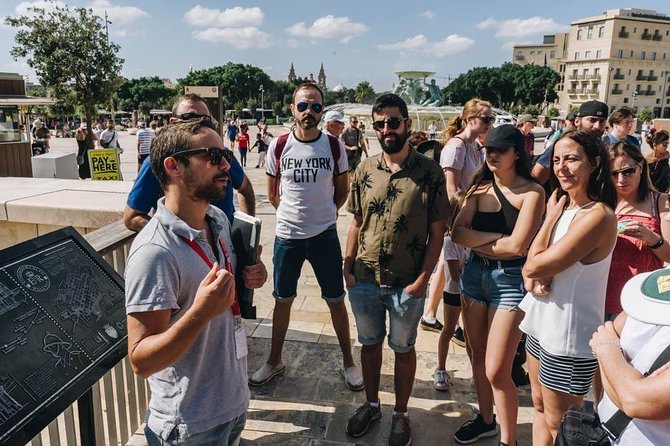
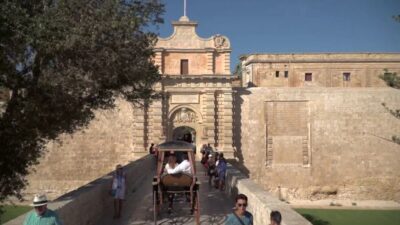
Valletta packs centuries of conflict, faith, food, and politics into a very small space. This two-hour walk leads from Victoria Gate through old lanes and historic buildings to St. John’s Co-Cathedral, with stories about the Knights, Napoleon, the British, the Second World War, and Caravaggio.
I like the small maximum of 10 people, which makes it easier to hear the guide and ask questions. I also like the practical food advice, from pastizzi to pizza and drinks with jazz. The main caution is that the experience can vary by guide, and one account found more political talk than historical explanation, with little actual food tasting.
Key points at a glance
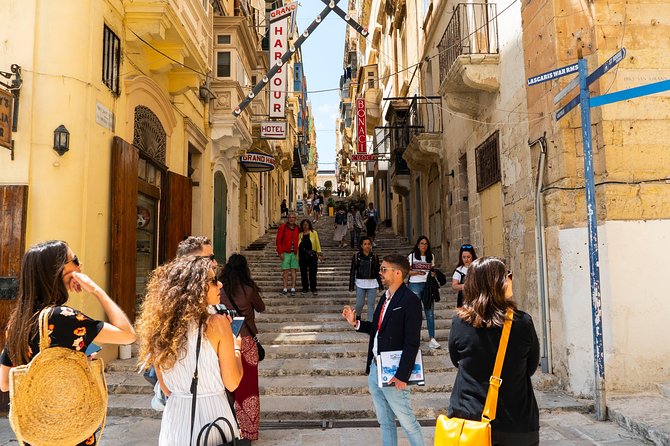
- Small group: The tour accepts no more than 10 people, a useful limit in Valletta’s narrow streets.
- Strong local focus: Guides such as Luis, Moises, and Julia bring personal views and practical advice about eating and drinking.
- Broad historical scope: You hear about the Knights, the Ottoman Empire, Napoleon, Britain, the Third Reich, and Valletta’s wartime past.
- Caravaggio connection: The route includes lanes linked to the painter’s escape from justice.
- Food is part of the theme: Pastizzi, pizza, Maltese dishes, cocktails, and a local liquor tasting may enter the conversation, though the food element may be light.
- Simple route: Meet at Victoria Gate and finish near St. John’s Co-Cathedral after about two hours.
Why Valletta works so well on foot
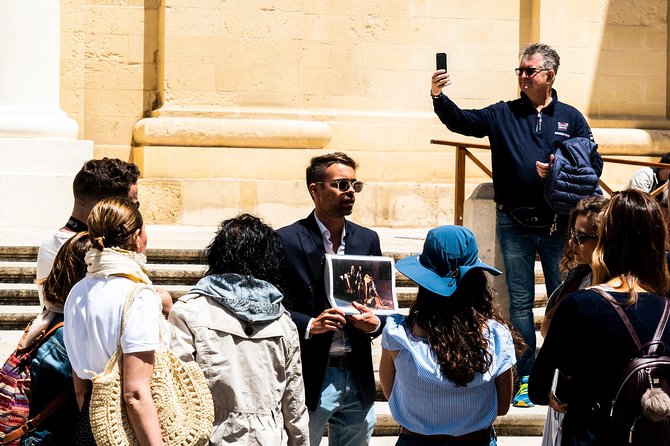
Valletta is the smallest capital city in the European Union, with fewer than 6,000 inhabitants. That compact scale matters. You can move from a harbor gate to a grand church, a quiet lane, a political landmark, and a place to eat without spending half the afternoon on transport.
I like walking tours here because Valletta is not a city you understand from a single viewpoint. Its honey-colored stone buildings can look uniform at first, but the stories change from street to street. One lane may point to the Knights of St. John, another to British rule, and another to a dramatic episode involving Caravaggio.
The city was coveted because of its position in the Mediterranean. The tour uses that setting to explain why different powers fought over Malta and why the capital became such an important fortified center. You should expect a mixture of major events, local anecdotes, and everyday details rather than a formal classroom lecture.
More history walks around Malta:
- Malta: Prehistoric Temples, Limestone Heritage & Blue Grotto
★ 4.2 · 412 reviews - Maltese Islands History Audio-Visual Show and La Sacra Infermeria Tour
★ 4.0 · 344 reviews - Valletta: Self-Guided Historical Walking Tour (Audio Guide)
★ 3.7 · 251 reviews
Starting at Victoria Gate
The meeting point is Victoria Gate, listed at Liesse in Valletta. This is a useful place to begin because it puts you at one of the city’s historic entrances, close to the harbor and the old defensive edge.
Arrive with enough time to find the guide. The meeting details have not always been perfectly smooth, and at least one booking involved a late confirmation of the meeting time and confusion over the exact location. I would check your final confirmation carefully rather than relying only on the general operating hours.
The advertised schedule runs daily from 11:00 a.m. to 5:00 p.m. The activity itself lasts about two hours, so the exact departure time matters. Confirmation is normally sent at booking, but bookings made within eight hours of departure may be confirmed later, subject to availability.
Knights, empires, and Malta’s strategic story
The central appeal of this walk is its attempt to connect Valletta’s buildings with the forces that shaped Malta. You hear about the Ottoman Empire and the Knights, then move through later chapters involving Napoleon, the British, and the Third Reich.
That range gives you a useful frame for the city. Valletta is not simply a collection of handsome stone streets. It is a planned capital born from military pressure and shaped by centuries of outside rule.
The Knights of St. John are especially important to the city’s identity. Their presence explains much of the monumental architecture and the religious character of the center. The tour introduces the city’s origins and the historic core that helped Valletta become European Capital of Culture in 2018.
You should listen for the difference between documented events and local legend. One dissatisfied participant felt that some stories were presented too firmly, without enough separation between fact and folklore. That is a fair concern on any city walk. If a tale sounds dramatic, ask the guide whether it is established history, local tradition, or personal interpretation.
Caravaggio in Valletta’s narrow lanes
The art element is centered on Caravaggio, the Italian painter whose turbulent life brought him to Malta. The walk takes you through lanes associated with his escape from justice and uses his time on the island to add a human story to the city’s religious and political setting.
This is not an art museum visit, and the tour does not include a stated interior visit to see specific paintings. Instead, Caravaggio serves as a link between art, crime, patronage, and the Knights. That can be a memorable way to approach his story, especially if you already know a little about his dramatic career.
The limitation is clear: art is one thread in a general city walk, not the main subject. If you want a detailed Caravaggio study or a focused explanation of Maltese art, you will need a separate museum or church visit.
Same islands, a completely different day out:
- Malta: Gozo & Comino Islands, Blue Lagoon & Seacaves Tour
★ 4.5 · 15,672 reviews - Comino: Blue Lagoon, Crystal Lagoon, and Seacaves Tour
★ 4.6 · 5,673 reviews - Malta: Blue Lagoon, Beaches & Bays Trip by Catamaran
★ 4.7 · 5,496 reviews - Malta: Gozo, Comino, Blue & Crystal Lagoon, & Caves Cruise
★ 4.6 · 5,092 reviews
Historic buildings from the 16th century onward

As you continue through the center, the guide points out buildings dating from the early 16th century and explains how Valletta developed around its original core. The value here is less about ticking off monuments and more about seeing how the streets fit together.
I like this kind of orientation early in a Malta visit. After two hours, you should have a better sense of where you are and which parts of the city deserve a second look. Several strong guide accounts describe a mix of famous sights and streets used more often by local residents, rather than a route limited to the most photographed corners.
The city’s scale helps. You are not spending long periods walking between distant attractions, so the guide can pause for anecdotes and questions. Still, the route ends at St. John’s Co-Cathedral rather than promising a full guided visit inside. You should treat the church as the finishing landmark and plan a separate admission if you want to explore it in detail.
What the food portion really offers
The tour presents itself as a meeting of gastronomy, art, and history. Maltese food is discussed in relation to the island’s Italian influence and its British past. The guide can point you toward pastizzi, pizza, Maltese dishes, cocktails, and places where jazz accompanies an evening drink.
Pastizzi are especially useful for a first-time visitor because they are a simple, recognizable introduction to Maltese eating. The tour is intended to help you understand what to try after the walk and where you might eat or drink later.
Be realistic about the tasting element. The supplied details promise food guidance and mention tasting famous pastizzi, but one account described only a local liquor tasting and felt that this did not amount to a full gastronomy experience. I would not book this as a dedicated food tour.
Instead, think of the food content as practical orientation. You may receive recommendations for a pastizzi stop, a good pizza, or a cocktail with jazz, depending on the guide and the day. The value comes from learning what to seek out afterward, not from expecting several included dishes.
Local life and the guide’s personal style
The strongest part of the experience is the guide-led perspective. Luis is described as friendly, chatty, and generous with suggestions for places to visit, eat, and drink. Moises brings warmth and energy, and his approach includes treating people more like friends visiting Malta than customers on a rigid route. Julia is described as attentive and professional, with a focus on making everyone comfortable.
Those names indicate that the company uses several guides, so you should not assume every departure will have the same personality or emphasis. One guide may lean into history and anecdotes. Another may spend more time on modern Malta, local politics, or daily life.
I like the local angle because Valletta is more useful when you learn how to use it, not just how to photograph it. Advice about where to eat after the walk can save you from choosing a restaurant based only on the busiest street or the most polished menu.
At the same time, the guide’s personal voice can become a weakness. One account found that current Maltese politics took up much of the tour, leaving too little room for historical evidence. If you prefer a tightly structured heritage tour, ask early for the historical context you most want.
Group size, pace, and comfort
The group maximum is 10 people. That is small enough for a more conversational walk and should make it easier to stay together in narrow streets. It also gives you a better chance to ask about food, local customs, or places to return to later.
The duration is about two hours, a good length for a first look at Valletta. You get enough time to build a mental map without committing most of your day. I would schedule it near the start of your stay, since the recommendations may help shape the rest of your visit.
The listed information says that most people can participate, service animals are allowed, and the meeting point is near public transportation. It does not provide a detailed accessibility assessment or promise step-free movement throughout the route. If stairs, steep streets, or uneven surfaces are a concern, ask the operator before booking.
The activity requires good weather and a minimum number of participants. If poor weather or low enrollment causes cancellation, you are offered another date or experience, or a full refund.
Is $54.31 a fair price?
At $54.31 per person, this is not the cheapest way to get a basic introduction to Valletta. The value depends on what you want from the two hours.
The price makes more sense if you want a small group, an English-speaking guide, historical orientation, and personal food recommendations in one package. It can also be useful on a short visit when you need someone to explain the city quickly and point you toward places to return to.
The value drops if you expect a substantial meal, several tastings, or an art-focused visit. The food portion may be limited, and the walk does not promise entry to St. John’s Co-Cathedral or another major attraction. You are paying mainly for the guide’s time, route, interpretation, and local suggestions.
I would compare it with the cost of a simple self-guided walk. Valletta is compact, and you can see many exterior sights alone. The advantage here is the connection between them, plus the chance to ask questions in real time. For that reason, it suits someone who values conversation more than a long list of included admissions.
What kind of visitor will enjoy this walk?
I would choose this tour if you want:
- A first introduction to Valletta in about two hours
- A small group rather than a large crowd
- Stories covering several periods of Maltese history
- A local perspective on modern life and food
- Suggestions for pastizzi, pizza, drinks, and Maltese dishes
- A guide who can adjust the conversation to your questions
You may want another option if you need a scholarly history tour, a full food crawl, or a focused Caravaggio experience. You should also think twice if political discussion bothers you, since the guide’s personal emphasis can shape the route.
Families and casual sightseers may appreciate the short format. People with limited time can use it to get oriented before exploring independently. Food-focused visitors should see it as a starting point, not a replacement for a dedicated tasting tour.
Booking and cancellation details
The activity is offered in English and uses a mobile ticket. It is often booked well ahead, with an average booking lead time of 44 days, so popular dates may not remain open close to arrival.
You can cancel for a full refund up to 24 hours before the start time. Changes or cancellations inside that 24-hour window are not accepted for a refund. Since the meeting-time information has caused confusion in at least one case, keep an eye on the confirmation and contact MORTOUR GUIDED TOURS if anything looks unclear.
Should you book Wonderful Valletta?
Book it if you want a friendly, compact introduction to Valletta with history, Caravaggio, local food advice, and a group limited to 10 people. Luis, Moises, and Julia have each been associated with warm, personal guiding, though the exact feel depends on who leads your departure.
Do not book it expecting a full gastronomy tour or a formal art seminar. The safest way to judge the value is to see the food element as recommendations plus the possibility of a small tasting, and the art element as a Caravaggio thread inside a wider city walk. For a first afternoon in Malta, that combination can be useful and enjoyable. Just confirm the meeting details and keep your expectations focused on orientation and conversation.
FAQ
Where does the tour start?
The tour starts at Victoria Gate, listed at Liesse, Il-Belt Valletta, Malta.
Where does the tour finish?
The tour finishes at St. John’s Co-Cathedral on Triq San Gwann in Valletta.
How long does the experience last?
The walking tour lasts approximately two hours.
What language is the tour offered in?
The tour is offered in English.
How many people can join the tour?
The maximum group size is 10 people.
What price is listed for the tour?
The listed price is $54.31 per person.
Does the tour include Maltese food?
Food is part of the subject of the tour, with attention to pastizzi, pizza, Maltese dishes, cocktails, and local places to eat. A local liquor tasting may occur, but a full meal or several tastings are not guaranteed in the supplied details.
Is St. John’s Co-Cathedral visited inside?
The tour ends at St. John’s Co-Cathedral. The supplied information does not state that admission or a complete interior visit is included.
Is the tour available every day?
The listed operating hours run from Monday through Sunday, between 11:00 a.m. and 5:00 p.m., for the stated operating period.
Can I cancel for a full refund?
Yes. You can cancel at least 24 hours before the start time for a full refund. Cancellations or changes made less than 24 hours before the start time are not accepted for a refund.
Just added around Malta
- Serenity at Sea: Comino Blue Lagoon Exclusive Day Cruise★ 5.0 · 3 reviews
- Gozo Unveiled: Guided Hiking in Gozo – South East★ 5.0 · 3 reviews
- Gozo Unveiled: Guided Hiking in Gozo – The West★ 5.0 · 3 reviews
- Malta Chocolate Factory Gin and Truffle Making Experience★ 5.0 · 3 reviews
- From St. Julian’s: Jet Ski Safari to the South of Malta★ 5.0 · 3 reviews
- St. Julian’s: Comino Blue Lagoon Sunset Cruise by Speedboat★ 3.6 · 3 reviews
- Malta: Around Comino Cruise With Blue Lagoon stop★ 5.0 · 3 reviews
- Private Speedboat Tour: Blue Lagoon & 3 Islands from Split★ 5.0 · 3 reviews
Historical Tours, compared.
Prehistoric Temples, Limestone Heritage & Blue Grotto
Read our review →
Maltese Islands History Audio-Visual Show and La Sacra Infermeria Tour
Read our review →
Self-Guided Historical Walking Tour (Audio Guide)
Read our review →

The Limestone Heritage Park and Gardens (Entry Ticket)
Read our review →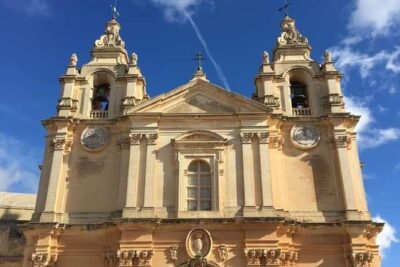
Browse the lists this tour appears in